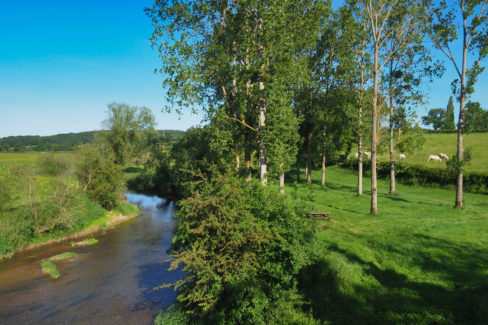
Poplar trees are some of the most recognizable sights across North America, Europe, and Asia. Even if you can’t pick one out by name, you’ve definitely seen that “poplar snow” drifting through the air in late spring—the fluffy white fuzz that often gets the blame for seasonal allergies. If you’re curious about what makes these trees tick, here’s a quick breakdown of their most important traits.
The Poplar Profile
The poplar (botanical name *Populus*) is a staple in parks and open green spaces. They belong to the willow family, and with about 60 different species out there, they come in quite a few varieties. You’ve likely heard of the Black Poplar or the Silver Poplar. Here are the fast facts:
- Height: Up to 100 feet
- Lifespan: Up to 300 years
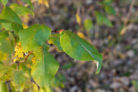
- Fall Color: Bright yellow
- Bloom Time: March to April
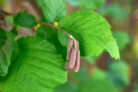
- Flowers: Reddish catkins
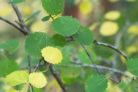
- Leaves: Pointed, roughly 2.5 inches long and 1 inch wide
- Pollination: Wind-pollinated
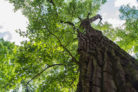
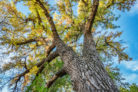
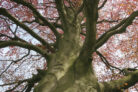
- Bark: Gray with deep, rugged furrows
- Light: Full sun to partial shade
- Root System: Shallow, spreading roots
Fun Facts About Poplars
Poplars are actually ancient trees in terms of geological history. Because they’ve been around so long, a lot of local wildlife has evolved to rely on them. Various beetles love to snack on the leaves, while rodents and deer often go after the tender young shoots.
In the wild, you’ll usually find poplars hanging out near rivers and streams. They love moist, sandy, or gravelly soil and don’t mind the occasional flood. Because they grow incredibly fast, they are considered “pioneer plants”—the first ones to move in and reclaim empty land. This fast growth makes them great for reforestation and commercial use; their wood is often used for paper production and wood pellets for heating.
The wood itself is relatively soft, which makes it a favorite for woodcarvers. You’ll even find poplar used in musical instruments because of its flexibility and light weight.
If you’re walking through a park, you can’t miss a mature poplar’s massive, swaying canopy. In early spring, before the leaves even appear, the tree puts on a show with long, reddish catkins that are slightly sticky to the touch.
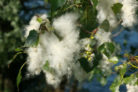
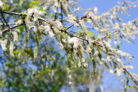
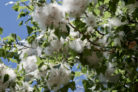
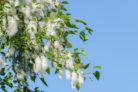
Poplars are dioecious, meaning individual trees are either male or female. Once the female catkins are pollinated, they produce seed capsules filled with tiny seeds covered in white fluff. The wind carries this “poplar wool” for miles. Fun fact: that fluff is actually made of cellulose and was once used to create high-end, specialty paper!