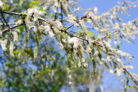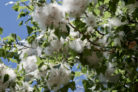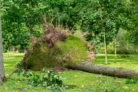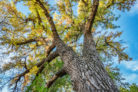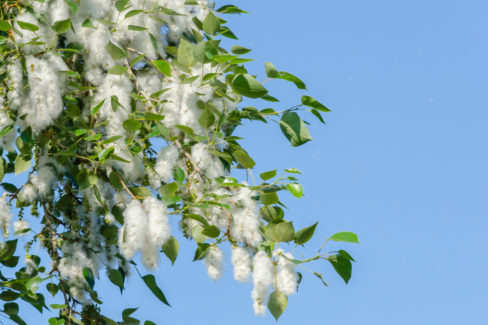
Black and silver poplars are a common sight in our local parks, and they’re hard to miss! These giants really make a statement with their massive size and those beautiful, sweeping canopies that sway in the breeze. But it’s in the early summer that old poplar trees truly steal the show. When those summer gusts pick up, they send fluffy white seeds swirling through the air, creating a scene that looks exactly like a mid-summer blizzard.
Summer Snow: The Magic of Poplar Seeds
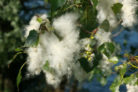
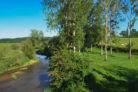
Taking a stroll through the park in June can feel a lot like walking through a winter wonderland if there are poplars nearby. This is when the seeds ripen, with each tiny grain tucked inside a tuft of cotton-like fluff. These white fibers are incredibly soft and lightweight, meaning even the tiniest breeze can carry them over long distances. Plus, these little “cotton balls” are buoyant, so they can hitch a ride on streams and rivers to spread even further.
How the Seeds Develop
Long before the poplar even thinks about growing leaves, male and female catkins start appearing as early as February. Poplars are dioecious, which is just a fancy way of saying there are distinct male and female trees. The wind handles the pollination for the female catkins, and by early summer, the magic happens. The ripe seed capsules pop open, releasing the seeds into the wild.
A Closer Look at the Seeds
Each seed is wrapped in a white, cottony coat designed to catch the wind. The fluff only dissolves when it rains, allowing the seed to finally hit the dirt and germinate—though it’s pretty picky about finding the perfect soil. Even though a single poplar can produce about 25 million seeds, only a tiny handful actually grow into new trees.
Cool Facts About Poplar “Wool”
That white fluff isn’t just for show; it’s actually pretty versatile! Here are a few ways it gets used:
- The cellulose in the fibers acts as a moisture reservoir for the seed.
- Birds love using the soft fibers to line their nests.
- Historically, people have used these fibers to create high-quality fine paper.
- Thanks to its wool-like texture, poplar fluff is great for stuffing pillows and comforters. (Fun fact: one tree can yield about three pounds of “wool,” enough to fill three duvets!)
- Good news for allergy sufferers: the white fluff is made of cellulose (similar to cotton) and doesn’t contain proteins. This makes it hypoallergenic, so it rarely triggers those pesky seasonal allergies.
- On the downside, poplar wool is highly flammable. Intense sunlight can actually cause it to self-ignite, which can be a real fire hazard in dry areas.