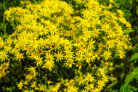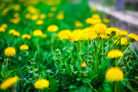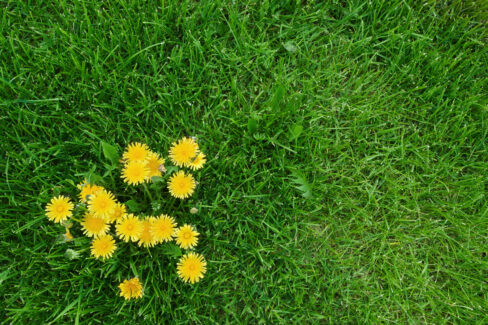
A plant as popular as the dandelion has picked up a ton of nicknames over the years. Depending on where you are, you might hear it called a “puffball,” “lion’s tooth,” or even “piss-a-bed.” In many areas, people simply call them “buttercups.” But here’s the thing: dandelions aren’t the only ones claiming that title. Another common wildflower is actually the “true” buttercup.
The Two Most Famous “Buttercups”
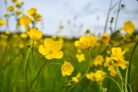
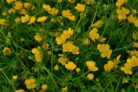
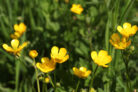
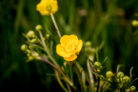
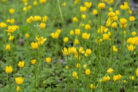
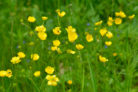
The term “buttercup” is often used as a catch-all for several types of yellow wildflowers. While many folks call dandelions buttercups, the Meadow Buttercup (also known as Tall Buttercup) is the plant that officially owns the name. Both plants sport vibrant yellow petals that make them impossible to miss in a green field, but there is one major difference you need to know. Unlike dandelions, the Meadow Buttercup is definitely not edible. In fact, it’s toxic when fresh, and just touching it can cause skin irritation for some people.
Pro Tip:
Want to dive deeper into the meaning of the buttercup and other fun facts? Check out our Buttercup Profile.
How to Spot a Meadow Buttercup
The Meadow Buttercup belongs to the Ranunculaceae family. All the members of this diverse buttercup family share a few family resemblances. Their leaves are usually divided into three to five lobes, which some say look a bit like a bird’s foot (hence the name “crowfoot” in some regions). Here’s what to look for in the flowers:
- Blooms in May and June
- Individual flowers usually have 5 to 6 petals
- The color is a bright, glossy yellow
- Flowers are about 0.5 to 1 inch in diameter
Identifying Dandelions: A “Safe” Bet
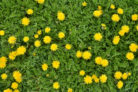
There’s probably no wild plant more recognizable than the dandelion. Even toddlers can pick them out thanks to those sunny yellow blooms and the fluffy “wish-makers” they turn into. However, since there are a few other yellow look-alikes out there, here’s a quick refresher on the dandelion’s specifics:
- Grows about 4 to 20 inches tall
- Main bloom is April to May, with a second smaller bloom in late summer
- Flowers are 1 to 2 inches wide and a deep sunny yellow
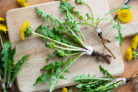
- Leaves grow in a rosette right at the base of the plant
- Leaves are lance-shaped and “toothed” (jagged)
- The stem is hollow and contains a milky white sap (which can be a mild irritant)
- Seed heads are silvery-white puffs
- Seeds are arranged in a perfect sphere, ready to blow away in the wind
Using Dandelions
Dandelions are actually a powerhouse wild herb, packed with vitamins, minerals, and trace elements. They aren’t just “weeds”—they’re great in the kitchen for salads, smoothies, or soups. Herbalists also use them to help with things like digestion, fever, or joint pain. If you’re harvesting them, go for the young leaves, flower buds, the blossoms themselves, or even the roots.