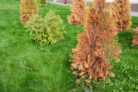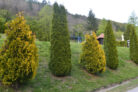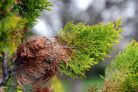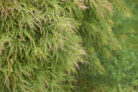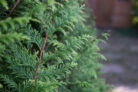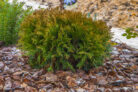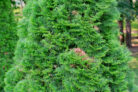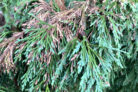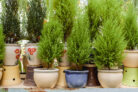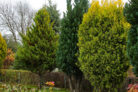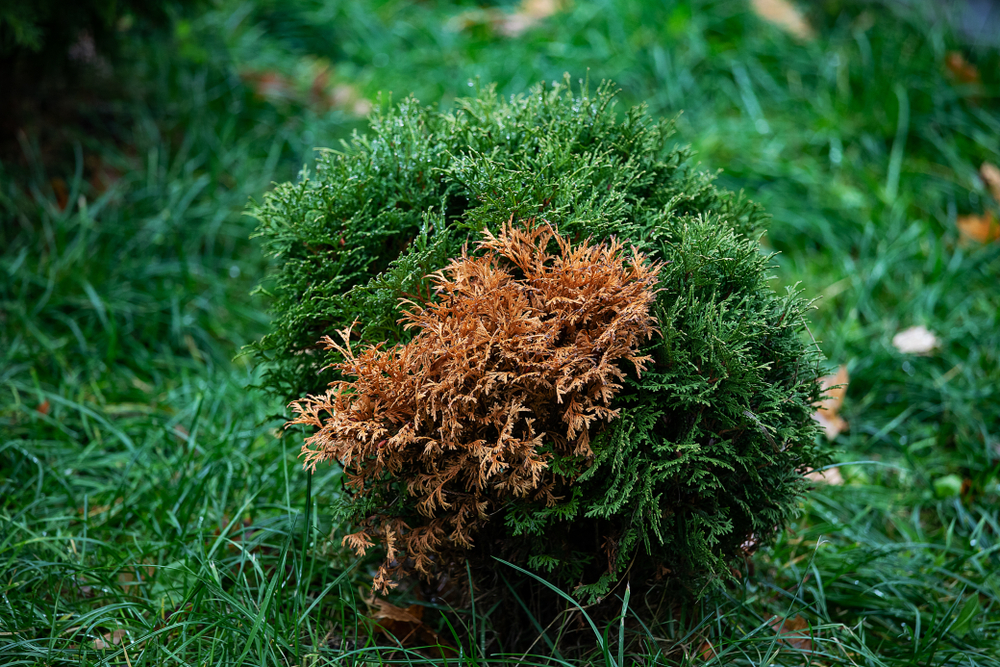
The Thuja, probably better known to most of us as Arborvitae, is a real staple in the gardening world. Whether it’s adding a touch of green to a landscape or acting as a thick, lush privacy hedge, it’s a go-to for many homeowners. But let’s be honest: when your Arborvitae starts turning brown, it loses its charm pretty fast.
Why is my Arborvitae turning brown?
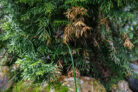
For the most part, Arborvitae are pretty hardy evergreens. If you notice those scale-like leaves turning brown, don’t panic—it’s not always a disease. The causes can actually be all over the map. For starters, some varieties naturally take on a rusty-brown “winter coat” in the fall, which is totally normal. In the heat of summer, however, you might be looking at sunburn or drought stress.
If you have a hedge lining your driveway or the street and it browns out in the winter, road salt might be the culprit. You’ll usually see this damage near the bottom of the plant or on the side facing the road. Throughout the rest of the year, discoloration can be caused by anything from pests and underwatering to over-fertilizing or fungal infections. Even acidic soil or root rot can lead to those dreaded brown patches.
Common causes for browning:
- Natural seasonal color changes (in some varieties)
- Sunburn
- Lack of water
- Road salt damage
- Over-fertilizing
- Soil that’s too acidic
- Fungal diseases
- Root rot
- Pest infestations
Can I still save my Arborvitae?
If the browning is just a result of a little “oops” in your maintenance routine, the fix is usually pretty easy. Take a look at your watering and fertilizing habits and tweak them to better suit what the plant needs. If sunburn is the issue, providing a little shade can do wonders.
If your soil is too acidic, you can neutralize it with some lime-rich fertilizer or a good helping of compost—your Arborvitae should be back to its green self in no time. However, if you’re dealing with root rot or a serious pest problem, you’ll need to roll up your sleeves for some more intensive care.
How do I spot root rot?
The tricky thing about root rot is that you can’t see it unless you dig the plant up to check the root ball. Whether or not you can save the plant depends on how far the damage has spread. You’ll want to trim away any soft, mushy, or rotten roots and replant the Arborvitae in fresh, well-draining soil. Give it a very light watering at first, then leave it alone for a few days. A little pruning on top can also help the plant focus its energy on growing new roots.
Which pests should I look out for?
Aside from spider mites, the main troublemakers are bark beetles and the arborvitae leafminer. For most of these, a pretty radical pruning is the best way to get rid of the infestation. If you’re dealing with spider mites, though, you can usually handle them with simple home remedies or a targeted spray.
Quick Tip: Before you start any frantic rescue missions, take a second to figure out exactly *why* the leaves are turning brown. Once you know the cause, you can tackle the problem head-on and give your plant the best chance at a full recovery.