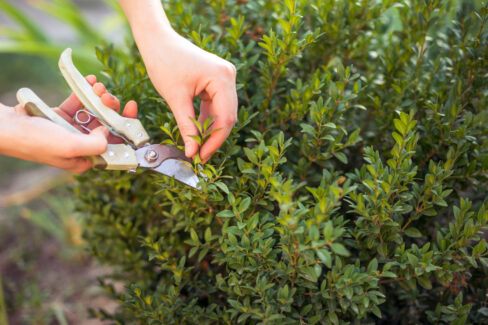
Whether you’re just doing a quick seasonal trim or digging up an entire boxwood that’s seen better days, you’re eventually going to be left with a pile of branches. The big question is: what do you do with them? The answer depends entirely on one thing—whether your boxwood was healthy or struggling with pests and disease.
Disposing of Healthy Boxwood
If your boxwood is healthy, you’re in luck! You can keep that organic matter right in your own backyard. Composting is a great way to recycle those nutrients back into your garden soil. If you have thicker branches or roots, I’d recommend running them through a wood chipper or shredding them first. This speeds up the decomposition process significantly. If you have a large amount of clippings, try mixing them with grass clippings and adding a compost starter to get things moving. Finely shredded boxwood also makes for excellent mulch for both your flower beds and your veggie garden.
If composting isn’t your thing, you can always take the clippings to a local green waste recycling center. For smaller amounts, your curbside yard waste bin works perfectly. As a last resort, you can toss them in the regular trash, or if the wood is dry and your local ordinances allow it, you can even burn them in a fire pit.
Keep Diseased Boxwood Out of Your Garden
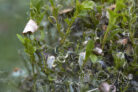
If your boxwood is suffering from a fungus or a pest infestation, you need to act fast. Don’t leave those clippings—or the roots you dug up—sitting around. Boxwoods are notorious for dealing with nasty issues like boxwood blight or the dreaded boxwood moth (Cydalima perspectalis). You don’t want to give these pathogens or pests any chance to spread to the rest of your landscape. Because of this, diseased material should never go into your home compost pile.
Pro Tip:
After pruning a sick boxwood, make sure to thoroughly clean and disinfect your garden tools. You want to kill off any lingering spores or larvae so you don’t accidentally infect your next plant!
Where to Put Diseased Plant Parts?
When you remove or prune a sick boxwood, the goal is to get that material off your property as quickly as possible. Before you even grab your shears, check your local disposal options. You might need to bag things up or wait for a specific pickup day. Here are your best bets:
- Burn it (if it’s safe and legal in your area).
- Toss it in the regular trash (seal it tightly in a plastic bag first).
- Use your municipal yard waste bin (commercial composting reaches much higher temperatures than home piles).
- Take it to a local waste management or recycling center.
Dealing with “Incurable” Boxwoods
Every gardener wants to save their plants, but sometimes you’re fighting a losing battle. The fungus *Cylindrocladium buxicola* (which causes boxwood blight) and the boxwood moth are incredibly tough opponents. If it looks like your shrub isn’t going to make it, don’t wait until it’s completely dead. Dig it up and get rid of it immediately to protect your healthy plants. If you find yourself constantly battling these issues, it might be time to look into blight-resistant varieties or consider a different type of evergreen altogether.