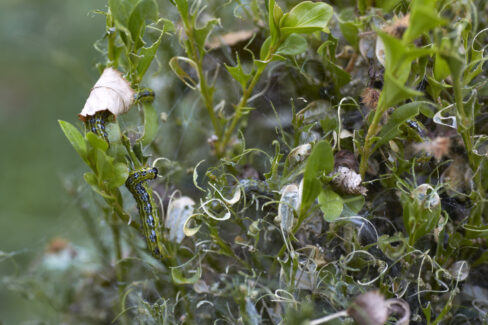
When we talk about garden “infestations,” a lot of different pests might come to mind. But for anyone with boxwoods in their yard, there’s one name that strikes fear into our hearts: the Box Tree Moth. This little guy is easily the most dangerous threat to your greenery. If your boxwood is under attack, it only stands a chance if you act fast and hit back hard.
Spotting the Culprit
The caterpillars of the Box Tree Moth are incredibly greedy eaters—if you don’t stop them, they will literally eat their “host” to death. The tricky part? These caterpillars are masters of disguise with their bright green bodies. Plus, at the slightest vibration, they retreat deep into the center of the plant. Often, gardeners don’t notice them until it’s too late to save the boxwood. A few nibbled leaves are one thing, but letting the whole shrub die is off the table. Keep a sharp eye out for these red flags:
- Chewed leaves and young shoots
- White, spider-web-like nests in the foliage
- Small dark droppings (frass)
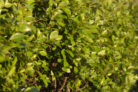
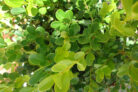
- Yellow or brown spots on the leaves
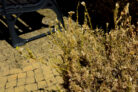
- In advanced stages: bare branches that look like skeletons
These moths originally made their way over from Asia in the early 2000s and usually lay their eggs in April and July. You might spot the adult moths—they are typically white with a brown border. The larvae that hatch are green with dark patterns and can grow up to 2 inches long. Pro tip: Always peel back the branches and look deep inside the shrub!
Giving it a Hard Prune
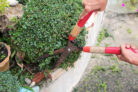
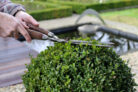
If your boxwood is heavily infested, don’t be afraid to cut it back aggressively right away. These plants are tough and can easily handle being cut back by half in both height and width. They’re great at regrowing even from old wood. Just make sure to bag up all the clippings in a plastic bag and dispose of them in your regular trash—don’t compost them, or the cycle will just start all over again!
Quick Tip:
After a heavy prune, fertilize your boxwood with some blood meal or horn meal. The quick-release nitrogen will give the plant the boost it needs to push out fresh new growth.
Evicting the Caterpillars
Once you know what you’re looking for, you’ll start seeing those caterpillars everywhere. You can certainly pick them off by hand—just make sure they don’t end up back in your garden! If the thought of picking them off one by one sounds tedious, try this “power wash” method:
- Lay a tarp or plastic sheet all the way around the base of the boxwood.
- Weight down the edges with stones.
- Use a pressure washer to blast the caterpillars off the branches.
- Alternatively, use a leaf blower on a high setting to blow them out.
- Don’t be afraid to use a strong setting; the plant can take it.
- Gather the caterpillars from the tarp immediately and get rid of them.
Your boxwood might lose a few leaves during this process, but it’s a small price to pay to get its health back. Once the pests are gone, a healthy plant will leaf out again in no time.
Treatments and Remedies
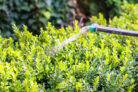
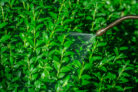
Neem oil-based products found at most garden centers work well to kill off a large portion of the larvae. Mix it as directed and spray thoroughly, making sure to saturate the interior of the shrub. You’ll likely need to repeat this a few times. Many gardeners are also having great success using calcified seaweed powder (Algenkalk) as a natural deterrent.
For a massive infestation, you could turn to chemical pesticides, but I’d save that as a last resort. Boxwoods can be surprisingly sensitive to harsh chemicals.
Quick Tip:
Prevention is the best medicine! In the spring, cover your boxwoods with a fine-mesh netting. This makes it much harder for the moths to get inside and lay their eggs in the first place.