Boxwoods are a staple in many of our yards, but let’s be honest: they face a lot of threats from fungal diseases. It’s probably a good thing most of us don’t think about that when we’re first putting them in the ground, or we might just give up and put the shovel back in the shed! But don’t worry—once you know what to look for, you can keep your boxwoods thriving. It’s all about staying one step ahead of the fungi.
The Usual Suspects: Dangerous Fungal Pathogens
Most gardeners are already “frenemies” with Powdery Mildew and Downy Mildew, and yes, they can show up on boxwoods too. Most of us know the drill with those. However, there are a few specific fungal infections that really have it out for boxwoods and can be downright deadly if left unchecked:
- Cylindrocladium buxicola: The culprit behind the dreaded Boxwood Blight (leaf drop and stem cankers).
- Puccinia buxi: This one causes Boxwood Rust.
- Volutella buxi: The fungus responsible for Volutella Blight or “Boxwood Cancer.”
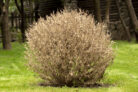
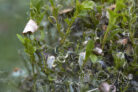
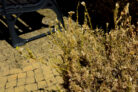
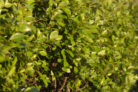
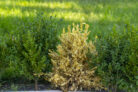
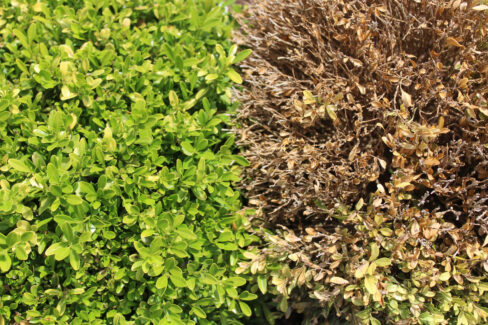
While they have different names, the symptoms often look similar: you’ll see yellowish or brown spots, dry leaves and stems, and often tiny spore masses on the undersides of the leaves. Sometimes, it might only affect one section of the plant at first.
The Golden Rule: Prevention is Key
Now, even the healthiest plant isn’t 100% immune to fungi, but a strong plant is much more resilient. Think of it like a good immune system—they get sick less often and bounce back faster. Here’s how to boost your boxwood’s vitality:
- Make sure they are in the ideal spot for their needs.
- Keep them watered year-round, adjusting for the weather.
- Keep them fed! Prevent nutrient deficiencies by fertilizing correctly.
- Give them some breathing room by maintaining proper planting distances.
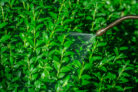
Since fungi love warm, humid conditions, try not to keep your boxwoods too soggy. Always water from the base of the plant—never over the foliage—to keep the leaves dry. And here’s a pro tip: never prune your boxwoods while it’s raining!
Fighting Back Against an Outbreak
Keep a close eye on your shrubs, especially during hot, humid summers. Catching an infection early is half the battle. If you see something suspicious, the number one rule is to act fast! Here’s your game plan:
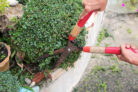
- Prune out any diseased sections aggressively.
- Always use sharp, sterilized shears.
- Disinfect your tools again immediately after you’re done.
- Try natural remedies first, like horsetail tea (a classic organic strengthener).
- Use calcified seaweed (Algenkalk) to help combat blight.
- If things get serious, you can use a commercial fungicide.
- Just a heads-up: Boxwoods can sometimes be sensitive to these chemicals, so use them carefully.
- Encourage fresh new growth with the right fertilizer, like some well-aged compost.
Quick Tip:
Always toss your diseased clippings straight into the trash—not the compost pile! You want those spores out of your garden for good. If a boxwood has completely died, it’s best to dig it up and dispose of it entirely.