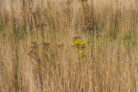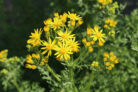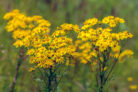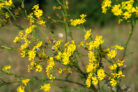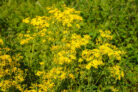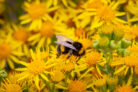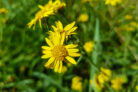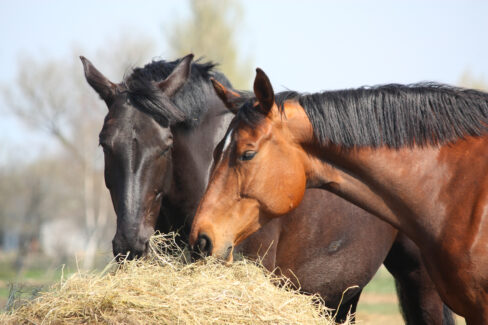
The biggest issue with highly toxic Tansy Ragwort is that once it’s dried out, it’s almost impossible to spot. Even though the plant has withered, those nasty toxins stay trapped right in the stems. Whether it’s mixed into hay or silage, it poses a serious danger to horses and cattle.
The Rapid Spread of Tansy Ragwort
Tansy Ragwort (sometimes just called Ragwort) has been spreading like wildfire over the last few decades. While it’s actually been around for centuries, it really took off a while back when it was accidentally included in seed mixes and spread by human activity. Today, we know for a fact that Ragwort is poisonous to both humans and animals. The plant’s toxins are no joke—consuming a large amount can be fatal in just a few days, while small, consistent doses lead to a slow, “creeping” poisoning.
This weed absolutely loves agricultural land. Because hay is often harvested late in the season, Ragwort flowers have plenty of time to fully mature. A single plant can produce up to 150,000 seeds! That’s why getting rid of it is becoming such a challenge. Once it ends up in hay, it loses its warning signs, and animals eat it without a second thought. Over time, this leads to irreversible liver damage.
How to Spot Tansy Ragwort in Hay (The Hard Truth)
As I mentioned, identifying Ragwort in hay is nearly impossible. The drying process completely changes the color of the stems and leaves. Occasionally, the stem might keep a hint of its purple tint, but once those leaves are dry, they look remarkably like common dandelion leaves. If the hay is crumbled or chopped, you can pretty much forget about getting a positive ID.
Why You Need to Fight It Early
Since you can’t reliably find Ragwort once it’s in the hayloft, the best defense is making sure it never gets harvested in the first place. Before you mow, you’ll want to carefully dig out every single plant—roots and all. Make sure every little root fiber goes into a bag so it doesn’t regrow, and then toss it in your household trash (don’t compost it!).
It is crucial to dig these toxic plants up before they bloom to prevent new seeds from hitting the soil. Once you’ve pulled them, fill in the gaps! Your best bet is to sow some fresh grass seed. Ragwort is an opportunist, so keeping a thick, healthy lawn or meadow is the best way to make sure it doesn’t move back in.