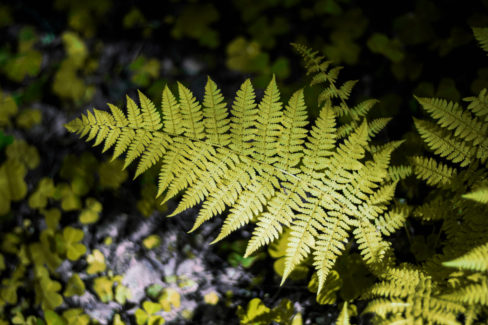
There are roughly 17,000 different species of ferns worldwide, and here’s the kicker: most of them are actually toxic. The same goes for the 170 or so species we find across Europe. However, a few select varieties aren’t just edible—in some parts of the world, they’re considered a total gourmet delicacy!
A Global Delicacy
You’ll find ferns on the menu in quite a few countries, ranging from the U.S. and Canada to Japan, Korea, and New Zealand. Usually, chefs only use the very tips of the plant, often called “fiddleheads.” This is because the bitter notes found in the rest of the plant are much milder in these young shoots. If you’re wondering about the flavor, most people describe it as a delicious cross between spinach and asparagus.
How to Prep Them Right
The fronds are harvested while they’re still young and tightly coiled, then given a good wash. After removing the papery brown scales, they have to be cooked. There are plenty of ways to do it: you can steam, blanch, sauté, or even deep-fry young fiddleheads. Cooking is essential because it neutralizes most of those bitter compounds. To really make the flavor pop, most folks just toss them with a little salt and butter. In stores, you’ll usually find them frozen, though you can occasionally find them pickled, too.
Don’t Try This at Home (Seriously!)
Here’s the catch: edible ferns often look almost identical to the poisonous ones. Because of that, I really don’t recommend foraging for them yourself unless you’re an absolute expert. If you’re dying to try them, your best bet is to buy them from a reputable source. Depending on where you live, they can be pretty hard to find fresh—and shipping frozen ones can be a hassle. Honestly, the best way to expand your culinary horizons might just be a food-focused trip to North America or East Asia!
To wrap things up, here’s the “TL;DR” on eating ferns:
- Generally speaking, most ferns are toxic and not edible.
- However, there are a few specific edible species.
- Only the young, coiled tips (fiddleheads) are used for cooking.
- Avoid harvesting them yourself—the risk of picking a poisonous look-alike is just too high!