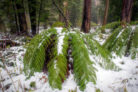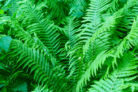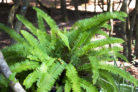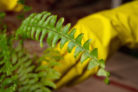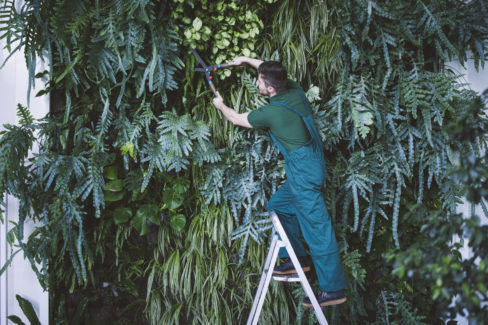
Ferns are true survivors—they’re actually one of the oldest plant groups on the planet! With over 17,000 different species worldwide, these leafy greens are incredibly diverse. Because they vary so much, their care requirements differ too, especially when it comes to pruning. Knowing exactly which variety you have in your garden is the first step to keeping it happy.
Deciduous vs. Evergreen Ferns
When it comes to maintenance, the biggest thing to know is whether your fern is deciduous or evergreen. As a general rule, you should leave evergreen ferns alone; they keep growing through the colder months and don’t need a haircut. Deciduous ferns, on the other hand, benefit from a good trim in the fall. Since their fronds won’t survive the winter anyway, you can go ahead and cut the plant back to just above the soil line.
Be Careful with Spring Pruning
If you missed the window for a fall cleanup, don’t worry! You can still prune most fern species in the spring. However, you’ll need to be extra careful not to accidentally snip off any of those delicate new “fiddleheads” or young shoots emerging from the center. For frost-sensitive species, pruning in the fall is actually a strategic move—you can use those cut-off fronds as a natural mulch layer to protect the crown from freezing temperatures.
Other Reasons to Reach for the Shears
Beyond just getting ready for winter, there are a few other times you might need to grab your garden scissors:
- Brown Fronds: If your fern starts turning brown, first try to figure out what’s causing the stress. Once you’ve fixed the issue, you can trim away the dead, brown foliage to tidy things up.
- Cuttings: If you’re looking to propagate your fern using cuttings, you’ll obviously need to make a few clean snips to get your new plants started.
- Controlling Overgrowth: Sometimes ferns can get a little too comfortable in a garden. If you’re trying to get rid of or scale back an invasive patch, consistent cutting or even mowing is an effective way to manage them.