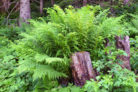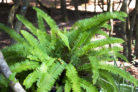
Don’t get me wrong, ferns can be absolutely stunning in the right setting. But let’s be real: those prehistoric-looking fronds don’t always fit the vibe of every garden. When they start popping up uninvited, it can be a bit of a headache because getting rid of them for good takes some serious elbow grease.
Ferns are fast movers
If you want to reclaim your garden beds, speed is the name of the game. The reason ferns are so tricky is because of how they reproduce. Unlike most garden plants that need to flower, get pollinated, and drop seeds, ferns play by different rules. They use spores, which means their propagation isn’t tied to a specific flowering season. They can start spreading before you even realize they’ve settled in.
Watch out for those runners
To make matters even more complicated, many of the 170-plus fern species found across Europe don’t just rely on spores—they also spread through underground runners (rhizomes). This means just hacking away at what you see above ground won’t cut it. If you’re planning to mow or prune them out of existence, you have to be relentless. You’ll need to cut them back repeatedly and frequently to eventually starve the plant of energy and kill it off.
Chemicals aren’t a magic fix
You might be tempted to reach for the weed killer, but herbicides often fall short here. Most store-bought sprays only kill the leaves and stems. Since the root system stays perfectly healthy underground, the fern will usually just bounce right back. If you want them gone for good, you’ve got to get your hands dirty and dig them out. Since ferns are shallow-rooted, you don’t have to dig deep, but you do have to dig wide to catch all those runners. Pro tip: start your “search and destroy” mission in early spring before the plant has a chance to release new spores.
Here are the main things to keep in mind if you’re looking to clear out ferns:
- If you choose to mow, you have to do it constantly to weaken the plant.
- Herbicides usually leave the roots untouched, leading to regrowth.
- Don’t wait! Dig them up early before they have a chance to spread their spores.