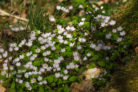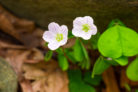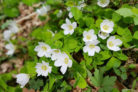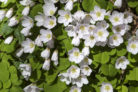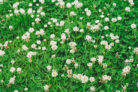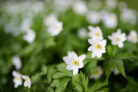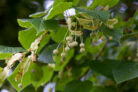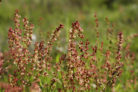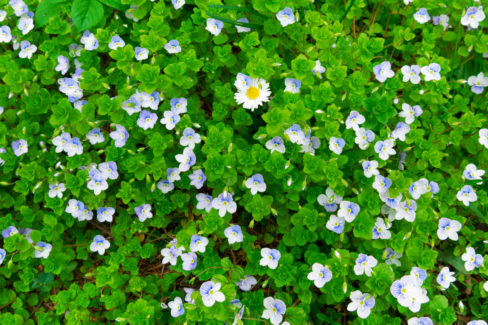
Wood sorrel is one of those plants that really stirs up a debate. Some gardeners curse it as a stubborn weed, while foodies love its zesty flavor. Then you have the natural remedy enthusiasts who swear by its healing properties. Whatever your take is, there are plenty of reasons to get to know this little plant a bit better.
Quick Facts
- Scientific Name: Oxalis
- Common Names: Wood sorrel, sour grass, lucky clover
- Family: Oxalidaceae
- Species: 700-800 varieties
- Well-known Varieties: Common wood sorrel (Oxalis acetosella) and creeping wood sorrel (Oxalis corniculata)
- Distribution: Found in tropical, subtropical, and temperate zones
- Habitat: Mostly forests, meadows, and roadsides
- Growth Height: Low-growing; 2-6 inches, works as groundcover
- Leaves: Three or four leaflets (sometimes more); heart-shaped, usually green
- Flowers: Small, white, pink, or yellow; blooms April to June depending on the variety
- Fruit: Capsule-like seed pods
- Seeds: Small, brownish-black, round to teardrop-shaped
- Propagation: Via seeds and rhizomes (underground stems)
Wood Sorrel as a Weed
Wood sorrel has a knack for popping up wherever it feels like it. It’s a bit of a survivalist—its seed pods can actually “explode,” launching seeds over 6 feet away! Ants also help spread the love by carrying seeds to far-off corners of your yard. Because it spreads so aggressively without an invitation, most gardeners treat it as a useless weed. Getting rid of it usually means a lot of tedious hand-weeding, since most of us want to avoid harsh chemical herbicides in our home gardens.
In the Kitchen
Did you know that all parts of the plant are edible? The leaves have a refreshing, lemony tang that tastes great raw in salads or blended into smoothies. You can also toss them into soups, sauces, or stews for a bit of a kick. Even the roots can be cooked up like stir-fry veggies. That signature sour flavor makes it a fantastic natural substitute for vinegar or lemon juice.
Pro Tip:
Enjoy raw wood sorrel in moderation and don’t make it a daily habit. It contains oxalic acid and potassium hydrogen oxalate, which can be tough on the body if consumed in high concentrations.
Healing Properties
This little plant packs a punch when it comes to natural wellness. If you harvest fresh leaves from a clean, pesticide-free area, you can press them into juice. Most people dilute it (1 part juice to 3 parts water or tea), though some take 2-3 undiluted drops every hour. It’s traditionally used to help with:
- Skin rashes, ulcers, and acne
- Gallstones
- Kidney and liver issues
- Digestive troubles
- Heartburn
- Parasites (worms)
- And much more!