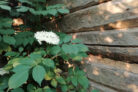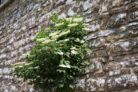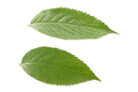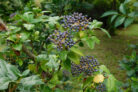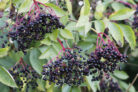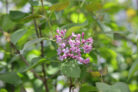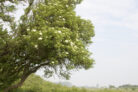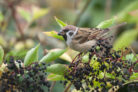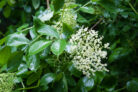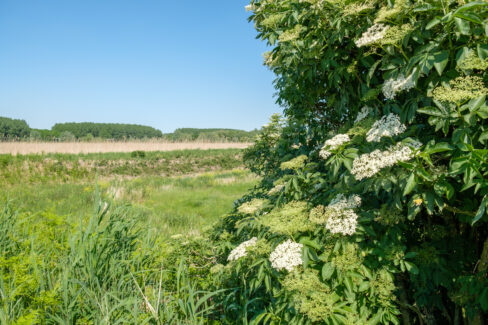
Elderberry has been a backyard staple for centuries, and for good reason! According to old folklore, planting an elderberry bush near your home was said to protect the household from lightning strikes and general bad luck. That’s why you’ll still see them standing guard in so many country gardens today. But you don’t need a backyard to find them—elderberry grows wild almost everywhere, making it one of the most popular shrubs across the landscape.
Where to Find Wild Elderberry
Black Elderberry is a tough, adaptable shrub that can thrive just about anywhere. While many people plant them intentionally, you’ll frequently spot them growing wild in these spots:
- Along sunny roadsides and embankments.
- In forest clearings, tucked under the canopy of taller trees.
- Around abandoned farmhouses, old train stations, or anywhere with nutrient-rich soil.
- In mountainous regions, growing at elevations up to 5,000 feet.
- In nitrogen-rich loamy soil (if you see a patch of stinging nettles, there’s a good chance elderberry is nearby!).
Elderberry isn’t just a local favorite, either. You can find varieties of this hardy shrub across Asia, North Africa, and even parts of Siberia. However, it remains one of the most iconic sights in the European and North American countryside.
Elderberry in the City
One of the coolest things about elderberry is how well it handles city life. It’s incredibly resistant to urban pollution, which is why city planners often use it to green up highway medians and industrial areas. A quick word of advice, though: if you see elderberries growing right next to a busy highway, leave them be! Between the exhaust fumes and the safety risks of foraging near traffic, those berries aren’t the ones you want for your kitchen.
A Quick Safety Note: Watch Out for Look-alikes
The flowers and berries of the Black Elderberry are absolutely delicious once they’ve been properly prepared. The fragrant blossoms make amazing syrups, teas, and desserts, while the dark berries are perfect for jams, juices, and sauces.
However, if you’re out foraging, you need to be careful. Make sure you don’t accidentally harvest the “Dwarf Elder” (Sambucus ebulus). Unlike the common Black Elderberry, the dwarf variety is highly toxic. Always double-check your ID before you start picking!