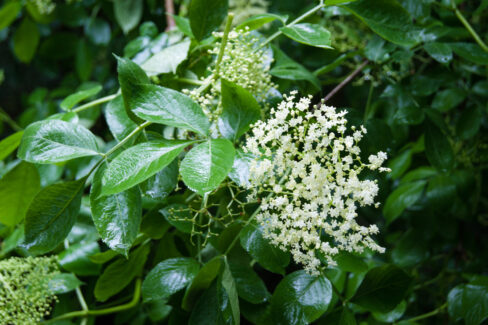
Elderberry bushes are generally tough-as-nails, but even the heartiest garden favorites can have a bad day. If your elderberry is looking a little under the weather, there are usually only a few culprits to blame. Let’s walk through what might be bothering your shrub and how to fix it.
A Quick Look at Common Elderberry Issues
If your elderberry is struggling, it’s likely dealing with one of these three common issues:
- Elderberry Wilt (Cluster Wilt)
- Flower Drop (Run-off)
- Gray Mold (Botrytis)
Elderberry Wilt
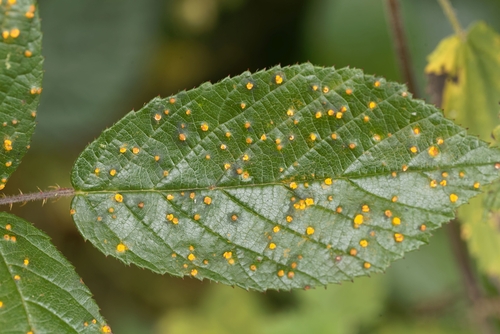
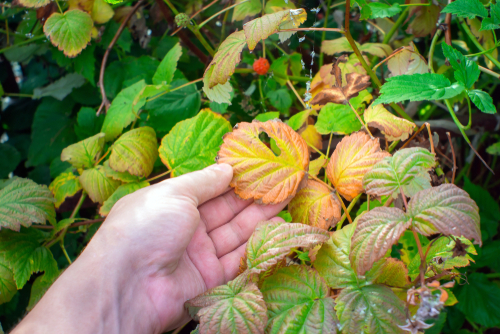
Have you noticed your berry clusters wilting right when they should be ripening? That’s a classic sign of Elderberry Wilt. You might also see reddish-yellow spots on the plant or notice the berries ripening way earlier than they should. This is a fungal disease that loves damp, humid weather. To get it under control, you’ll need to act fast and prune away any infected parts of the plant immediately.
Flower Drop (Run-off)
If we have a cold, wet spring, your elderberry might experience “run-off.” This is basically when the flowers fall off the bush before they even have a chance to be pollinated. While weather is the main trigger, a lack of nutrients can make it worse. You can’t really “cure” it once it starts, but you can prevent it next year with these tips:
- Keep your fertilizer balanced—don’t go overboard on the nitrogen.
- Try applying about 10 grams of borax per square yard before the blooming season starts.
- If this happens every single year, it might be time for a professional soil test to see what’s missing.
Gray Mold
Gray mold is a common party crasher in the fruit garden, and elderberries aren’t immune. The infection actually starts during the blooming phase. Once it takes hold, the whole plant can get covered in a fuzzy gray fungus. You’ll see reddish-brown spots on the leaves and berries, and the fruit will start to look mushy and rotten.
If you’re dealing with gray mold, you’ll need to disinfect the soil with calcium cyanamide. Be sure to prune off any diseased branches and apply a fungicide. A great way to prevent this in the future is to thin out your shrub to make sure there’s plenty of airflow.