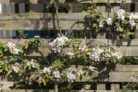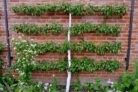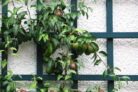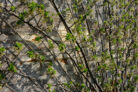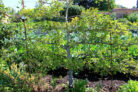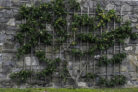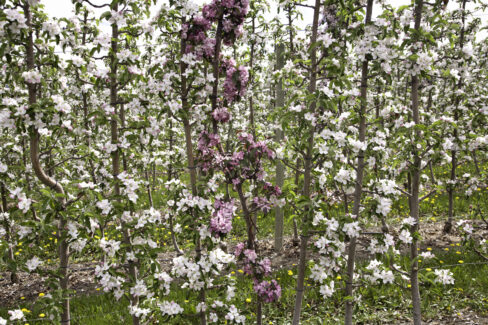
To be honest, cherry trees aren’t usually the first choice for espalier because they are such vigorous growers. Training fruit trees against a trellis or wall is a labor of love that requires a fair amount of maintenance, so don’t underestimate the effort involved!
Understanding Cherry Tree Growth
Depending on the variety, a cherry tree trained as an espalier can reach heights between 8 and 20 feet, with a spread of up to 11 feet. Because they grow so fast and strong, they can be a bit of a handful to keep in check. If you’re determined to give it a go, make sure you choose a tree grafted onto “dwarfing rootstock” to keep that growth manageable. For cherries, I usually recommend a “fan” shape—a short trunk with branches spreading out like a lady’s folding fan—rather than the traditional horizontal tiers.
Why Sour Cherries are a Great Pick
If you’re choosing between types, sour cherries (tart cherries) are actually much easier to manage as espaliers than sweet cherries. They thrive in loose, fresh, nutrient-rich soil. Look for a spot with full sun to partial shade; as long as the fruit gets at least half a day of direct sunlight, they’ll develop that delicious, deep flavor and ripen perfectly.
The Multi-Variety “Combo” Tree
Some nurseries offer “multi-graft” trees, where several different varieties are grown on a single trunk. These are fantastic for a few reasons! Not only do they look cool, but they often solve the pollination problem. Since the different varieties are right there on the same trellis, they cross-pollinate each other, ensuring a great harvest without needing to plant a second tree. While these nursery trees are generally hardy, keep an eye out for late spring frosts, which can nip the blossoms and hurt your fruit yield.
Support is Key
To get those branches growing horizontally (or in a fan shape), you’ll need a sturdy support system to tie them down. The good news is that you can easily build your own trellis to fit your space.
Your Garden To-Do List
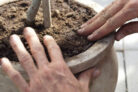
- Before planting: Dig over the soil thoroughly and mix in plenty of your own garden compost to give the tree a head start.
- Pollination: Unless you have a self-fertile or multi-variety tree, make sure you plant more than one variety to ensure they pollinate each other.
- Setup: Secure the main trunk and lead branches to your support frame right away.
- Frost Protection: Keep some garden fleece handy in mid-spring to cover young trees if a late frost hits.
- Watering: Start a regular watering schedule by late spring. Young trees especially need extra hydration during dry spells in their first few years.
- Early Summer: Keep an eye out for birds! They love cherries as much as we do, so you might need some netting.
- Summer: Don’t let the soil dry out—keep up with the watering.
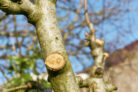
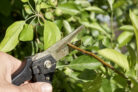
- Late Summer: This is the best time to prune your tree back to maintain its shape.