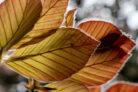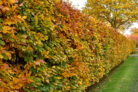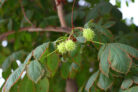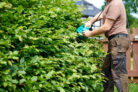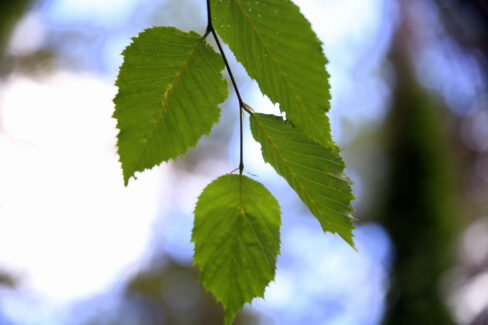
The beech tree is an absolute powerhouse—sturdy, massive, and built to last. It takes a lot to knock one of these giants down! But even the toughest trees have a weakness: time and tiny fungi. Now, don’t panic! With a little know-how, you can keep your beech healthy and thriving for years to come.
Beech Anthracnose (Leaf Blight)
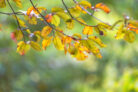
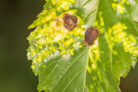
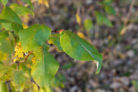
If we have a particularly rainy summer, you might notice some fungal issues popping up. If your beech leaves start looking withered and drop before autumn even hits, you’re likely dealing with leaf blight. It usually starts as small brown spots that eventually merge together.
- The good news? This doesn’t usually cause long-term damage to the tree.
- It’s mostly an aesthetic issue (it just looks a bit messy).
- If it gets really bad, you can treat it with a specific fungicide.
Pro Tip: Rake up those fallen leaves and get rid of them! Toss them in the trash or burn them rather than composting. This stops the fungal spores from hanging around to reinfect your tree next year.
Brittle Cinder Fungus
This fungus is a bit of a sneaky one. It causes black discolorations in the wood that look almost like the trunk has been charred by fire. Over several years, it can eat away at the tree’s structural integrity, making it a serious fall hazard.
Beech Canker
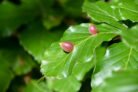
Scientists are still debating the exact cause of beech canker, but it’s easy to spot. It looks like a large, swollen growth or “tumor” underneath cracked bark. These growths can get so massive that they actually compromise the stability of the entire tree.
Beech Bark Disease (Nectria Canker)
Heavy autumn rains can pave the way for Nectria fungi (often recognized by tiny red pustules). Once it takes hold during the warmer months, it starts decomposing the wood. A tree weakened by this is often a magnet for other pests like tinder fungus or bark beetles. In severe cases, the trunk can snap without warning.
Giving Young Trees a Boost
Beech trees can run into a few other common garden headaches, like powdery mildew. As a tree parent, the best thing you can do is keep a watchful eye on any changes, especially in the foliage. Most of the time, a mature, established tree can handle these issues on its own without you needing to lift a finger.
However, young trees are much more vulnerable because they haven’t built up their “immune systems” yet. To help them out, make sure they are in the right location. Keep them hydrated—since their roots aren’t deep enough to find water during a drought—and apply a thick layer of mulch to keep that soil moisture locked in.
Quick Tip:
Beech trees are surprisingly sensitive to “wet feet” and can develop root rot if they sit in water. When you water, do it mindfully. Always plant your beech in well-draining soil, and consider adding a drainage layer if your ground tends to stay soggy.