The European Spindle tree (Euonymus europaeus) is known for being a tough-as-nails shrub with incredibly resilient wood. But here’s the kicker: even though every single part of this plant is highly toxic, that doesn’t make it invincible. Despite its “poisonous” reputation, it still deals with its fair share of diseases and hungry pests.
Common Diseases and How to Handle Them
While the Spindle tree is generally a hardy ornamental, it’s surprisingly prone to fungal infections. These spores love to hitch a ride on the leaves, eventually causing them to wither away.
Powdery Mildew
Think of this as the “fair-weather fungus” because it thrives when things are dry. You’ll notice a white, flour-like coating on the tops of the leaves. Eventually, it turns brownish and the leaves die off. If you don’t step in, the fungus will happily overwinter right on the plant.
To prevent it, try spraying a homemade horsetail or nettle tea. If your plant is already infected, a simple mix of milk and water sprayed on the leaves every two days works wonders.
Downy Mildew
This is the “bad-weather fungus” that loves cool, damp conditions. Unlike its powdery cousin, these spores hide on the undersides of the leaves and burrow inside, causing pale spots to show up on top. Before long, the leaves wilt and drop. Since this fungus overwinters in fallen autumn leaves, it’s ready to strike again in the spring. Strengthening the plant with horsetail tea early on is a great preventative move.
Rust Fungus
Specifically *Melampsora evonymi-caprearum*, this fungus leaves bright yellow-orange spots on the foliage, eventually killing the affected leaves. The good news? A healthy Spindle tree is usually strong enough to survive a bout of rust without any long-term damage.
Pests and How to Fight Back
Even with its toxic sap, the Spindle tree is a favorite snack for several specific pests:
- Spindle Ermine Moth
- Felt Gall Mite
- Euonymus Scale
Spindle Ermine Moth
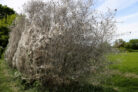
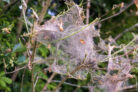
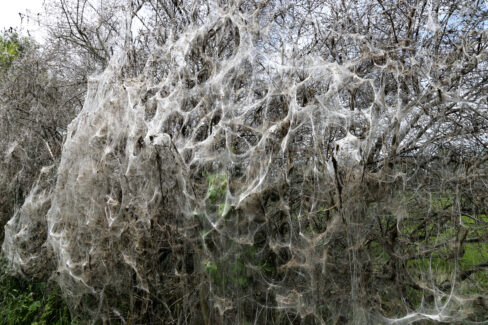
This moth loves to lay its eggs on the shrub. Once the larvae hatch, they spin thick, ghostly webs over the entire bush and go to town on the leaves. It can look pretty dramatic, but don’t panic! As soon as the larvae pupate and move on, the shrub will usually bounce back and grow a fresh set of leaves.
Felt Gall Mite
These tiny critters hang out on the undersides of the leaves, sucking out the sap and causing a white, fuzzy “felt” to grow. These mites are experts at overwintering inside the plant’s buds. In most cases, a standard infestation won’t really hurt the plant’s overall health.
Euonymus Scale
These guys thrive in warm, dry weather. The first sign of trouble is usually tiny pale dots on the leaves. The scale larvae suck the life out of the plant, weakening it until it starts losing leaves entirely. To get rid of them, you can prune out the infested branches or invite natural predators like ladybugs and lacewings to the party. If you’ve got a small infestation, you can even just scrape the scales off the stems and leaves by hand.