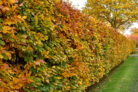
European Beeches (Rotbuchen) are generally tough-as-nails native trees that don’t run into trouble too often. However, they aren’t totally immune to pests—especially when they’re planted as hedges. Hedges can be a bit finicky because the trees are often packed tight or stuck in spots with poor airflow, which is basically an open invitation for bugs.
Common Pests on European Beeches
If your beech tree is looking a little under the weather, one of these usual suspects might be to blame:
- Beech Woolly Aphids
- Spider Mites
- Fungal Infections
- Gall Midges
Beech Woolly Aphids
You’ll know you have these guys if you see what looks like tiny bits of white “fuzz” or cotton on the underside of the leaves. These aphids suck the sap, causing leaves to curl up, wither, and drop early. You might also notice a sticky film called honeydew on the foliage. Ants absolutely love this sugary snack, so if you see a trail of ants heading up your tree, check for aphids!
For a mild case, a homemade spray made from stinging nettle or horsetail tea usually does the trick. If the infestation is really out of control, you can find specialized sprays at the garden center, but I’d save the heavy-duty stuff as a last resort.
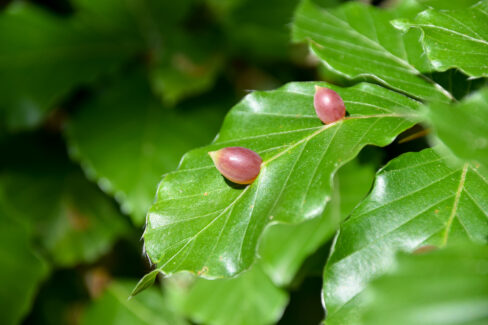
Gall Midges
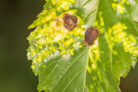
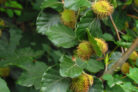
If you notice small, hard bumps or “galls” on the leaves, you’re likely looking at the work of gall midges. The good news? They’re mostly just an eyesore and won’t actually hurt the health of your tree. If they really bug you, just prune off the affected twigs and call it a day.
Spider Mites
These tiny critters love hot, dry weather. You’ll recognize them by the fine, silky webbing they weave over the leaves. Since they hate moisture, a simple fix is to regularly mist your tree with a fine spray of water to boost the humidity. For a stubborn branch, try misting it and then wrapping it in a plastic bag for a day or two—the trapped moisture will wipe them out. Another great “pro-gardener” move is releasing predatory mites, which are the natural enemies of spider mites.
Fungal Issues
Mildew is the main culprit here. “Powdery Mildew” loves dry, sunny spells, while “Downy Mildew” thrives when things get rainy and damp. Both show up as a whitish coating on either the top or bottom of the leaves.
To fight Powdery Mildew, try a simple mix of 1 part milk to 8 parts water and spray it on the leaves. For Downy Mildew, a garlic tea or horsetail brew works wonders. If you catch it early, you can often just prune off the infected leaves—just make sure to toss them in the trash, not the compost pile!
Chemical vs. Natural Pest Control
While you *can* reach for chemical insecticides, I always recommend holding off unless it’s a total emergency. Chemicals can be tough on the environment and your local pollinators. Instead, try to recruit some “garden bodyguards.” By putting up insect hotels or leaving some wild corners in your yard, you’ll attract ladybugs, lacewings, and hoverflies. These beneficial bugs love to snack on pests, keeping your beech trees healthy and happy the natural way!