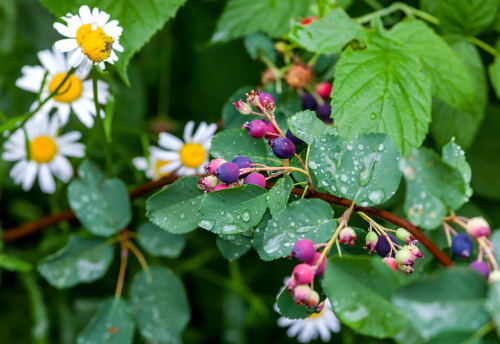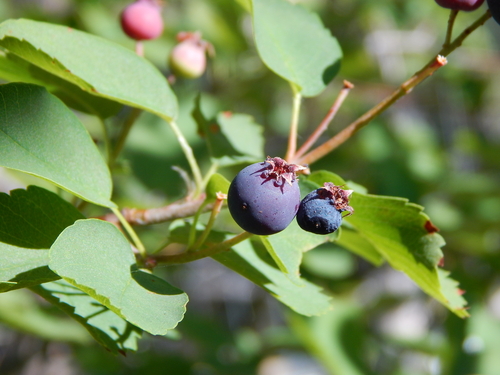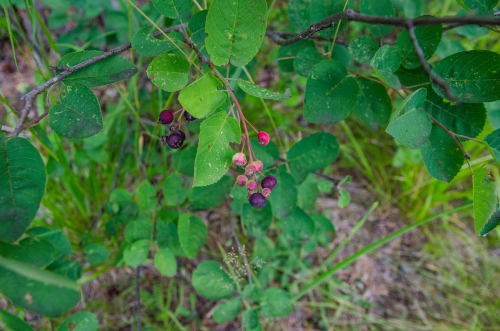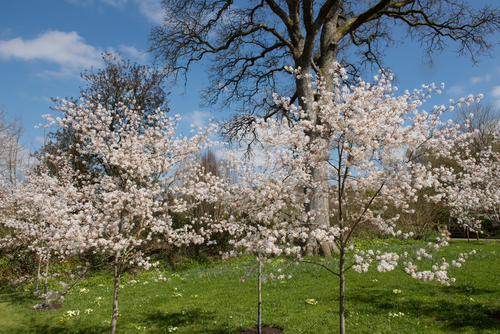
I’d go as far as calling the serviceberry (or *Amelanchier*) a true survivalist. It’s not picky about where it lives, doesn’t demand perfect soil, and honestly, it’s pretty low-maintenance when it comes to feeding. But, just like any other plant in your garden, it can sometimes find itself competing with neighbors for nutrients.
Generally speaking, you can skip the fertilizer
One of the best things about the serviceberry is that it handles poor soil like a champ. Unlike many other garden favorites, it doesn’t need a strict fertilization schedule to thrive. This makes it a dream plant for busy hobby gardeners or anyone looking for a “set it and forget it” addition to their landscape.
If your soil is particularly thin or lacking, your best bet is to mix in a good helping of mature compost right when you plant it. If you’re dealing with heavy, compacted clay, give the area a good loosening and work in some sand to improve drainage. And here’s a pro tip: if you’re trying to keep your serviceberry on the smaller side due to limited space, you can actually skip the fertilizer altogether to keep its growth in check.
How to give it a little growth boost
You don’t really need to prune a serviceberry unless you’re trying to maintain a specific shape, and the same “less is more” rule applies to feeding. If you do want to kickstart its growth, you really only need to fertilize once a year, ideally in the spring.
A slow-release fertilizer is perfect for this because it feeds the plant gradually over time. Just spread it around the root zone and lightly work it into the top layer of soil. If you’re really in a hurry to see that tree get big, you can repeat the process once more in the late summer.
Stick to the natural stuff
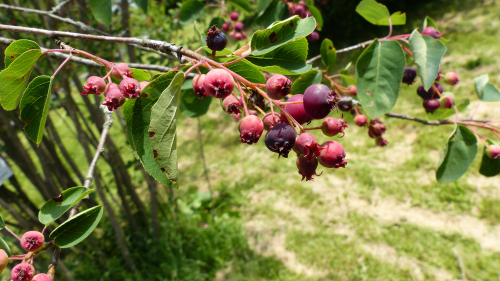
If you’re planning on snacking on those delicious serviceberry fruits (and you should!), I highly recommend sticking to natural fertilizers. This is especially important for plants grown in containers. Potted serviceberries do best with organic, slow-release options that provide a steady stream of nutrients. Some of my favorite natural choices include:
- Horn shavings or horn meal
- Mature compost
- Well-rotted horse manure