You might look at a fast-growing plant like ivy and think, “Man, that thing must need a ton of fertilizer to keep up that pace!” It sounds logical, right? But here’s the kicker: it’s actually a bit of a myth. Not every ivy plant is hungry for extra nutrients. In fact, for most garden ivy, fertilizing is totally optional—and sometimes, it can even backfire.
Fertilizing Ivy in Your Garden
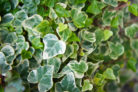
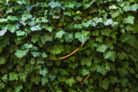
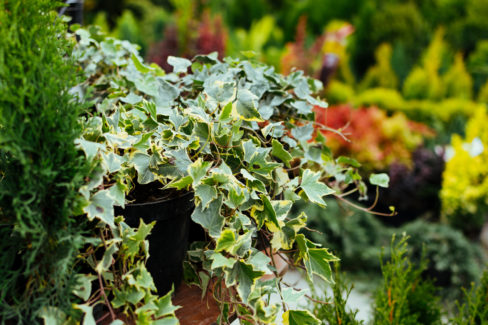
Ivy (scientifically known as *Hedera*) is a superstar in the garden, whether you’re using it as a groundcover for shady spots or letting it show off as a climber. As long as the location is moist but not soggy, ivy is usually perfectly happy with whatever nutrients are already in the soil. Honestly, extra fertilizer isn’t a requirement.
Sure, your ivy will appreciate a little “snack” and respond with even lusher growth, but you should ask yourself if that’s actually what you want. Ivy can quickly turn into a weed if it gets too happy. You might find yourself pruning it constantly just to keep it in check, and once it really takes over, it’s a massive headache to remove from your flower beds.
Quick Note:
If your ivy isn’t blooming, don’t blame the soil! It has nothing to do with a lack of nutrients. Most ivy won’t see its first bloom until it’s about 10 years old and has reached its adult phase. During its “youth,” it’s focused entirely on growing those long, trailing vines.
The Best Fertilizers for Your Garden
If you do decide to give your ivy a boost, springtime is the best time to apply a slow-release fertilizer. Here are a few great options:
- Compost
- Horn shavings (a great organic, slow-release nitrogen source)
- General-purpose granular fertilizer (like Blaukorn)
You can also use a standard shrub fertilizer, but I’d recommend using a much lighter dose than what the package suggests. Try to fertilize on a cloudy day so the sun doesn’t scorch the leaves, and always give the plant a good watering afterward to help wash those nutrients down to the roots.
Feeding Indoor Ivy
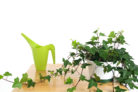
Now, if you’re growing ivy in a pot as a houseplant, the rules change. Since its roots are confined, it needs a regular supply of nutrients to stay healthy. The same goes for ivy growing outdoors in balcony boxes. During the main growing season (March through August), feed your potted ivy every two weeks with a universal liquid fertilizer. Again, a little goes a long way—it’s usually best to use a weaker concentration than the label recommends.
Pro Tip:
Try to repot your indoor ivy every spring. Since fresh potting soil is already packed with nutrients, you can take a break from fertilizing for several weeks after moving it to its new home.