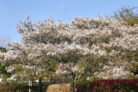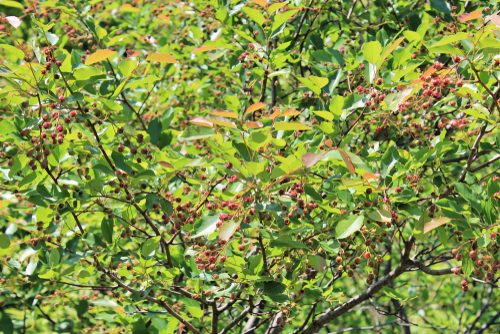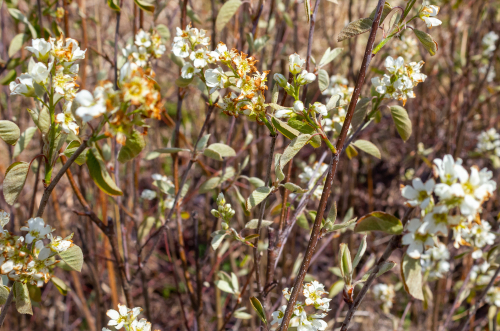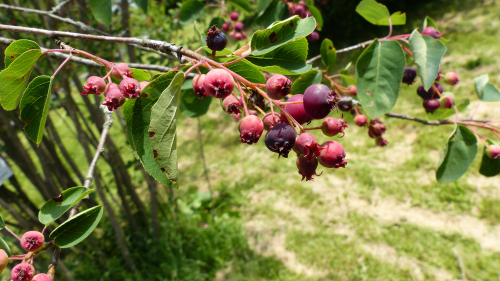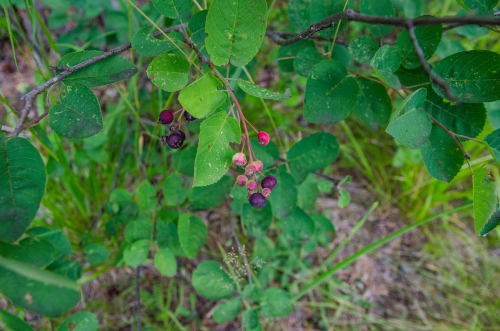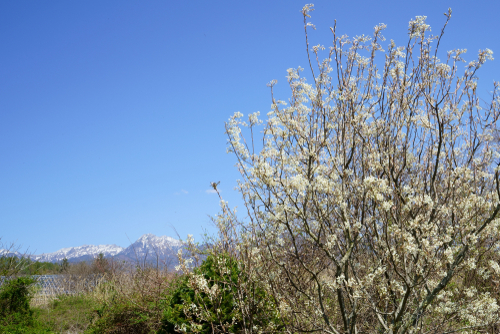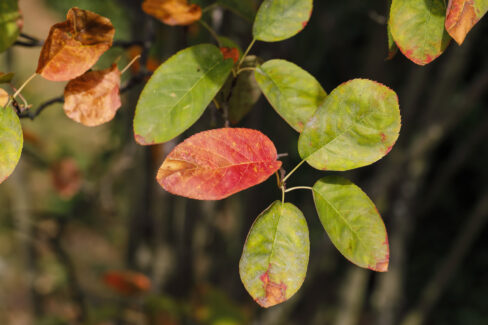
The Serviceberry (or Juneberry) originally hails from the rugged landscapes of Turkey and the Caucasus. Because it’s used to that harsh high-mountain climate, this plant is incredibly cold-hardy and generally tough as nails. However, even the most resilient plants can run into trouble every now and then.
Common Issues to Watch For
Even though the Serviceberry isn’t picky about its location, poor growing conditions can stress the plant out, making it more susceptible to pests and diseases. Here are the main culprits you might encounter:
- Fire Blight
- Powdery Mildew
- Fungal Infections
When it comes to fungi, you’re usually looking at Verticillium or Phytophthora. Luckily, these are much less common than Fire Blight or Powdery Mildew.
Fire Blight
Fire Blight is a bacterial disease that can be pretty scary. If you notice the leaves on your Serviceberry turning brown or even shriveled black—looking almost like they’ve been scorched—you’re likely dealing with this. Left unchecked, the branches will dry up and die off completely. Now, I usually tell folks that these shrubs don’t love a radical pruning, but in this case, you don’t have a choice. You have to cut back to the healthy wood to save the rest of the plant from dying.
Powdery Mildew
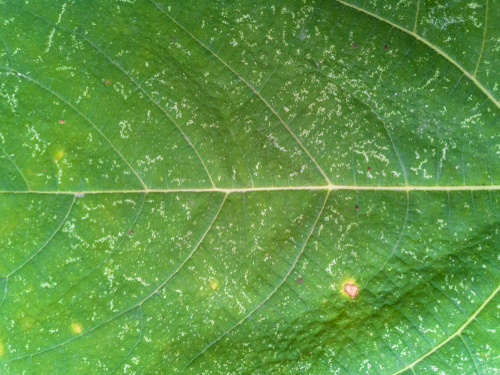
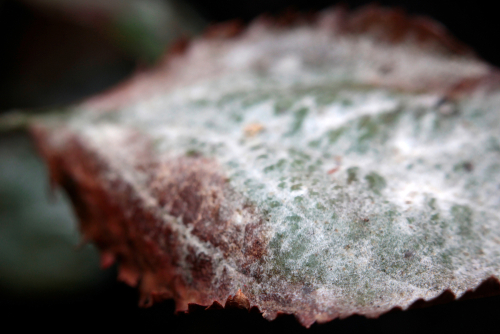
You’ll know you have Powdery Mildew if you see a white, flour-like coating on the tops of the leaves and the berries. Eventually, those leaves will dry out and drop. The best move here is to prune away the affected shoots to stop the spread. This usually happens because there’s too much moisture sitting on the leaves. If your shrub is too dense, air can’t circulate through the middle to dry things out. To prevent this, make it a habit to thin out your Serviceberry every February to keep that air flowing!