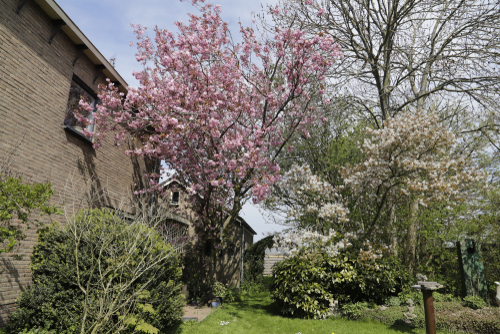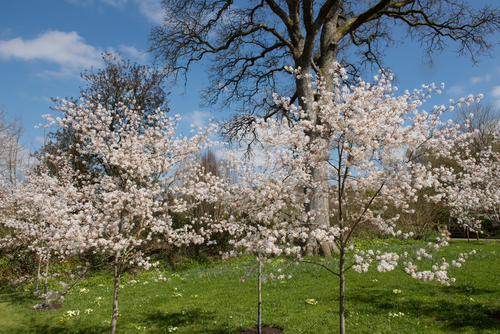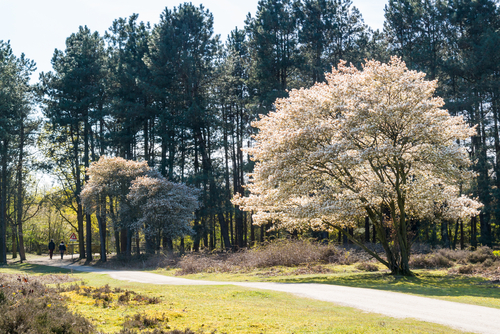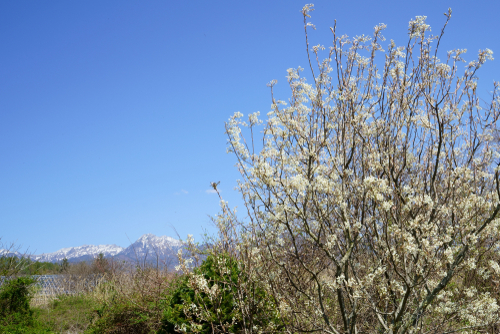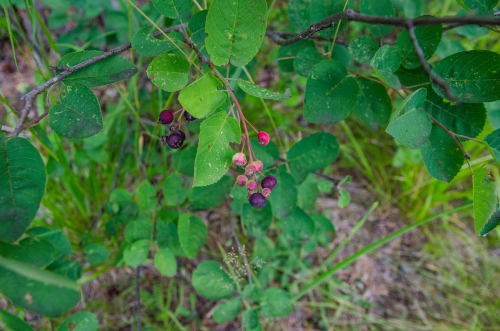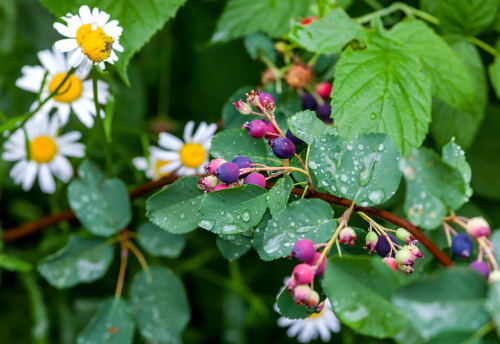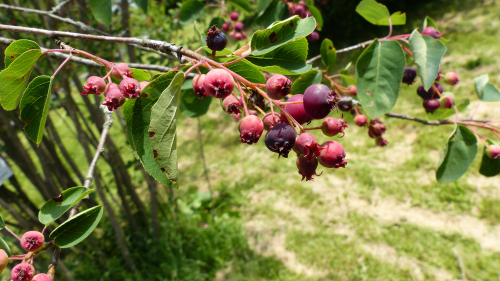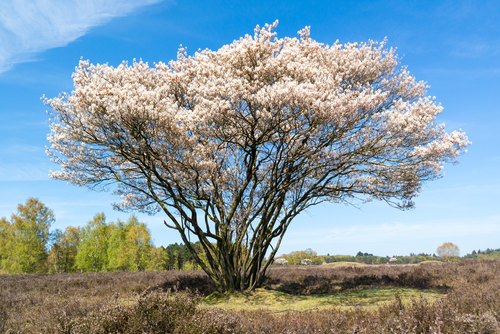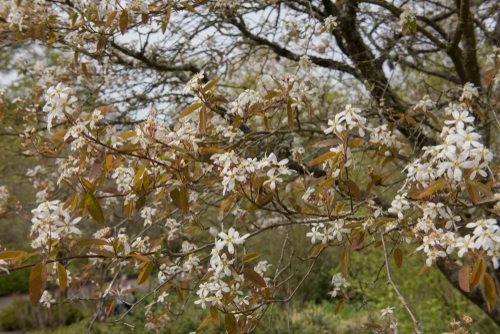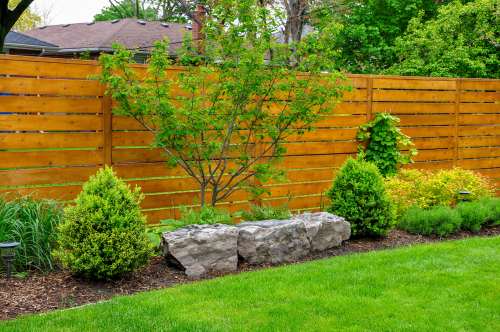
The serviceberry—or *Amelanchier*, if you want to get fancy—is one of those hidden gems that’s sadly been forgotten as a food source. While you won’t see them in the produce aisle much these days, they’re making a huge comeback in home gardens because they look absolutely stunning year-round.
Finding the Perfect Spot for Your Serviceberry
If you head down to your local nursery, you’ll likely find several different varieties with all sorts of growth heights. This is actually the best way to choose the right one for your yard. Think about how much space you have and how much pruning you’re up for before picking a towering tree or a compact shrub. If you’re looking for a real showstopper, keep an eye out for the Juneberry (*Amelanchier lamarckii*).
This variety puts on a spectacular show in the fall with foliage that turns a brilliant, fiery red. Generally speaking, serviceberries aren’t too picky about where they live, but they do crave the sun. While they won’t give up the ghost in the shade, they likely won’t bloom much, which means you’ll miss out on those tasty berries. As for the soil, they aren’t divas, but they definitely prefer loose, well-draining dirt over heavy, compacted clay.
How to Plant Your Serviceberry
To give your new plant the best start, dig a hole that’s nice and wide so the roots have plenty of room to stretch out. I always recommend mixing some mature compost into the soil. It gives the plant a little “energy boost” to help it get established and acts as a great starter fertilizer.
Once it’s in the ground, give it a good, long soak. Since the roots haven’t settled in yet, the plant can’t hunt for water on its own, so you’ll need to keep a close eye on it to make sure it doesn’t dry out. If you’re planting a row of them or putting them near other large shrubs, make sure to leave at least three feet of space between them so they have room to breathe.
When is the Best Time to Plant?
This really depends on how you bought your plant. If it came in a plastic pot (container-grown), you can plant it pretty much anytime from spring through fall, as long as the ground isn’t frozen. However, if you bought a “bare-root” plant, fall is your best bet. The soil is naturally moister then, which keeps the plant from drying out while it gets settled.
If your serviceberry rewards you with a harvest, don’t let those berries go to waste! They are delicious when turned into:
- Jams and jellies,
- Homemade wine,
- Fresh juice, or
- Fruit compote.