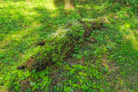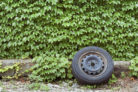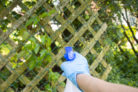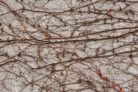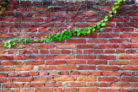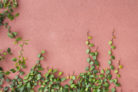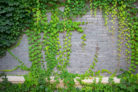
As long as you actually *want* ivy in your yard, everything is great. But watch out when those vines start overstaying their welcome on your siding or in your flower beds! Thanks to its specialized “clingy” roots, ivy grips surfaces so tightly that getting rid of it can be a real workout.
Why ivy sometimes has to go
Ivy can grow so aggressively that it starts acting like a weed, conquering areas where it definitely wasn’t invited. But there’s an even more important reason why you might need to get rid of it. Those aerial roots are strong enough to damage walls or even cause cracks that threaten the structural integrity of a building. It can also completely smother trees, seriously messing with their health and growth.
You’ve got to be thorough
To banish ivy from your property for good, you need to do more than just trim the vines—you have to destroy the roots, too. Those sticky aerial roots make the job tough because they cling to all kinds of trellises and supports with impressive strength. You really have to be meticulous here; even a tiny piece of ivy left behind can sprout a whole new plant if it touches the soil.
Pro Tip:
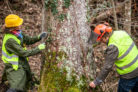
Always wear protective gloves and a face mask when removing ivy. You don’t want the plant’s toxins irritating your skin or getting into your lungs.
Removing ivy from the garden
- Wait for a rainy day or soak the ground with a hose first.
- Cut or saw through the main ivy vines.
- Pull out the root system (keep in mind root depth can reach up to 24 inches).
- Loosen the soil with a garden fork to find any hidden root fragments.
- If necessary, dig up and sift through the top layer of soil.
Removing ivy from walls
Getting ivy off a house siding without leaving a trace is nearly impossible. You have to be super careful not to make the damage worse. While there are a few ways to tackle it, I recommend trying this method first:
- Wet down the wall and the ivy with water.
- This helps soften those stubborn aerial roots.
- Alternatively, just wait for a good rainy stretch.
- Carefully peel the vines off the wall starting from the top and working your way down.
- Use a saw for thicker vines if they won’t budge.
- Dig out the entire root system from the ground afterward.
- Scrub the wall with a brush and a dish soap solution to loosen the remaining root bits.
Saving a tree from ivy
Hopefully, you caught it in time and the tree buried under all that green still has a fighting chance. If the tree is already dead, there’s no real need for this rescue mission.
- Cut the vines all the way around the trunk at about chest height (5 feet).
- Pull the lower vines downward (wetting the tree first helps).
- You can leave the thinner vines in the upper canopy; they’ll dry out and fall off on their own.
- Make sure to dig out the root system completely at the base.
Roundup and other remedies
I can’t warn you enough about weed killers like Roundup. The glyphosate they contain is increasingly recognized as a health hazard. Plus, it usually only kills the leaves and maybe a tiny bit of the roots, leaving the rest of the problem intact. Here’s the deal with other methods:
- Using a torch to burn ivy off a house is a major fire hazard.
- The old “salt” trick ruins your soil health and can contaminate groundwater.
- Pressure washers are only really good for removing the leftover root “feet,” not the whole plant.
How to dispose of ivy properly
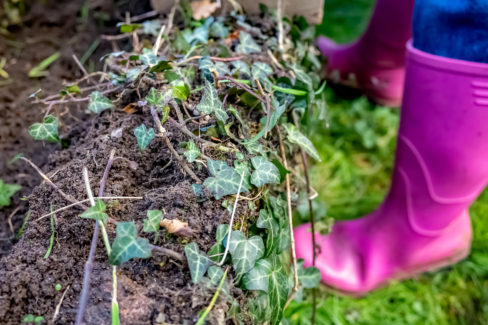
Just because you ripped that ivy out of the ground doesn’t mean it’s dead! If any part of it touches the soil, it can start growing all over again. This can even happen if you just toss it on the compost pile. If you must compost it, cover it with a very thick layer of grass clippings. Also, don’t put it through a wood shredder—you don’t want to breathe in those toxic particles.
Your best bet is taking it to a local green waste recycling center. If you have a yard waste bin, you can use that, or even the regular trash as a last resort. Whatever you do, don’t leave piles of it lying around where kids or pets might find it. Ivy is toxic and can be life-threatening if eaten. Those tempting berries are especially poisonous!