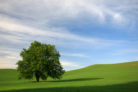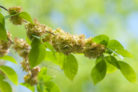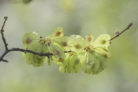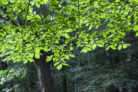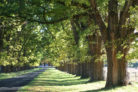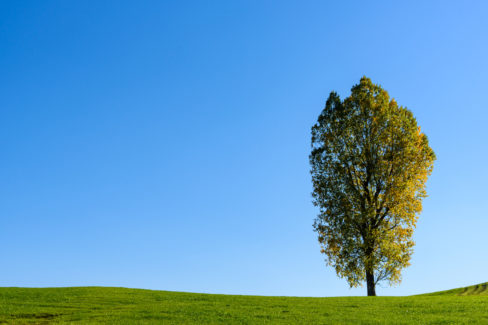
The Field Elm is one of only three elm species native to Europe—out of more than 30 species worldwide. What makes this tree so special, and how can you tell it apart from its cousins? I’ve put together this handy guide to help you get to know this unique tree.
The European Field Elm
While there are dozens of elm varieties across the globe, the Field Elm is a true European classic. Here’s a quick look at its standout features:
- You might also hear it called the “Common Elm” or “Smooth-leaved Elm.”
- Its scientific name is *Ulmus minor*.
- Fun fact: The Field Elm often hybridizes with the Wych Elm.
- This tree is a “taprooter,” meaning its root system reaches deep into the earth for stability and nutrients.
- Like most elms, a healthy Field Elm can live up to 400 years and reach heights of about 130 feet.
- Sadly, of all the elm species, this one is the most susceptible to Dutch Elm Disease.
- The flowers of the Field Elm are a striking red color.
- These tiny flowers grow in clusters (called cymes) that are about 6 to 12 inches long.
- They bloom from March to April and rely on the wind for pollination.
- One of the coolest things about them? The flowers actually appear before the leaves even start to bud.
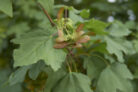
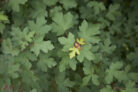
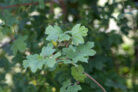
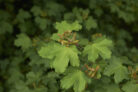
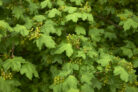
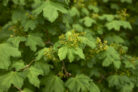
- The leaves are asymmetrical and elliptical with a slightly rough texture.
- They usually grow about 2.5 to 4 inches long and 3 inches wide, sitting on a very short stem (less than half an inch).
- Look for a dark green top and little tufts of brown hair on the underside.
- As a deciduous tree, it drops its leaves in the fall and winter, but not before putting on a show with a beautiful yellow autumn color.
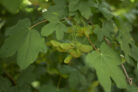
- By late May, the tree produces small, grayish-brown nutlets.
- These seeds are “winged” (samaras) and are only about 1.5 to 2 mm in size.
- Because they are so light and winged, the wind carries the seeds to new locations to grow.
Where You’ll Find the Field Elm
Even though it’s a European native, the Field Elm has a pretty impressive range. You can find it in:
- The Canary Islands
- The Caucasus region
- Asia Minor
- North Africa
Using Elm Wood
Field Elm wood is famous for being incredibly tough and hard. It features a yellow-gray sapwood with a rich brown heartwood. Because it’s so durable, it’s a top choice for high-quality flooring, parquet, and sturdy furniture.