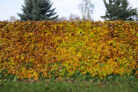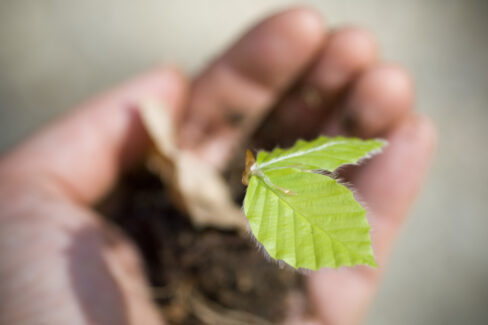
Most gardeners are pretty comfortable with taking cuttings—it’s usually the go-to move when you want to expand your plant family. But I’ll be honest with you: if you’re trying this with a Beech tree, you might hit a bit of a wall. Beech cuttings are notoriously stubborn when it comes to rooting. My best advice? Be patient, and don’t be afraid to try, try, and try again!
Cutting and Prepping Your Beech Cuttings
Timing is everything here. April and May are the “sweet spots” because that’s when the sap is really flowing. If you miss that window, you’ve got another shot in mid-July. Since the success rate can be low, I recommend cutting three times as many as you think you’ll need just to play it safe.
- Pick a young, healthy mother plant.
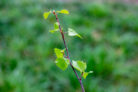
- Look for semi-hardwood shoots (not too soft, not too woody).
- Snip off the very tips of the shoots.
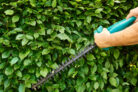
- Trim your cuttings down to about 4 to 8 inches (10-20 cm).
- Strip off the lower leaves.
- Make a clean, diagonal cut at the bottom end.
- If you have a particularly thick cutting, seal the top end with some grafting wax or artificial bark.
Pro Tip:
Give your cuttings a little boost by dipping the ends in rooting hormone. It’s a total game-changer for stubborn plants like these.
Two Ways to Root Your Cuttings
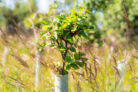
You can stick your Beech cuttings directly into the garden soil if you like. If you go this route, make sure you pick the perfect spot right away, because Beeches are much easier to transplant when they’re very young. Just a heads-up: outdoor cuttings are basically a snack bar for mice and birds. If you live near the woods, deer might also come by for a nibble. Make sure you put up some protective netting or wire!
The other option is starting them in pots. This keeps them safe from critters, but they’ll be much more sensitive to the cold. You’ll need to bring the pots indoors to a cool, frost-free spot for their first winter. Wait until spring to plant your rooted saplings out in the yard.
Other Ways to Grow New Beeches
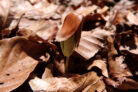
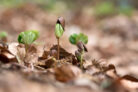
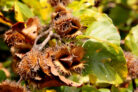
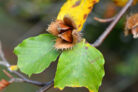
If the cutting method just isn’t working for you—or if you want to skip the headache altogether—try growing them from seed. Once a Beech tree reaches a certain age, it’ll drop plenty of beech nuts in the fall. Gather a few of these to sow in the spring. Just a quick safety note: keep those nuts away from the kids, as they are mildly toxic if eaten raw.
There’s also a method called “air layering,” but it’s pretty advanced stuff. I’d only recommend tackling that one if you’re a seasoned pro looking for a challenge!