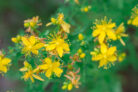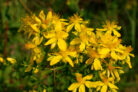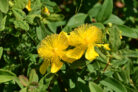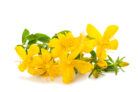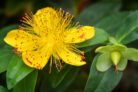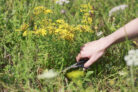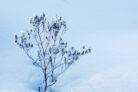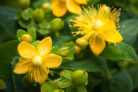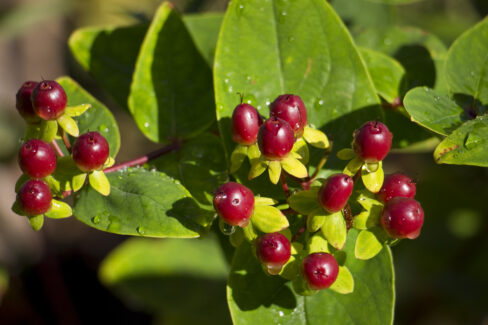
Once the golden summer days start to fade, St. John’s Wort flowers begin to wither, and the plant shifts its energy into fruiting. While Common St. John’s Wort develops its seeds in egg-shaped capsules, other varieties deck themselves out in juicy-looking, berry-like fruits. They look refreshing, but can you actually eat them? Let’s take a closer look.
When do the berries ripen?
Typically, the blooming season kicks off in June, with the last flowers fading away by August. It doesn’t take long for those berry-like fruits to appear. They usually ripen within just a few weeks, between August and September. The cool thing is they don’t drop off immediately; they often stay on the plant well into winter, slowly drying out before eventually falling off one by one.
Which varieties actually grow berries?
Not every member of the huge St. John’s Wort family produces these berry-lookalikes. In most home gardens, you’ll mainly see them on Tutsan (Hypericum androsaemum) and Stinking St. John’s Wort (Hypericum hircinum). The long stems of Tutsan, loaded with colorful berries, are super decorative and look absolutely stunning in fall floral arrangements.
What do St. John’s Wort berries look like?
These fleshy fruits have a few distinct characteristics:
- Shape: Spherical or spindle-shaped
- Size: About 1/4 to 1/2 inch (6 to 10 mm) long
- Skin: Smooth and glossy
- Seeds: Oval to cylindrical, about 1 mm long, slightly curved with a fine mesh pattern
The color changes as they ripen. They start out green, blending right in with the leaves. As they mature, depending on the variety, they turn pink or pale yellow, then transition to a reddish-brown or even deep black. The seeds inside are viable and can be planted, but keep in mind: they are “light germinators,” meaning they need light to sprout, so don’t bury them too deep!
Are the berries edible?
Red berries are usually a delicious summer treat—but only if they’re actual currants (which share a similar name in German). While St. John’s Wort berries look tempting, they are definitely not a snack. They are considered inedible. The good news? You don’t need to panic about extreme toxicity, but they certainly aren’t tasty. Since there’s no point in harvesting them, feel free to prune back the faded flowers early. Producing seeds takes a ton of energy from the plant, so deadheading can help keep your shrub vigorous.
Pro Tip:
Want to dive deeper into this plant? You’ll find plenty of interesting facts in our St. John’s Wort profile.