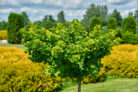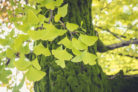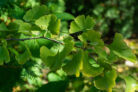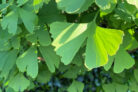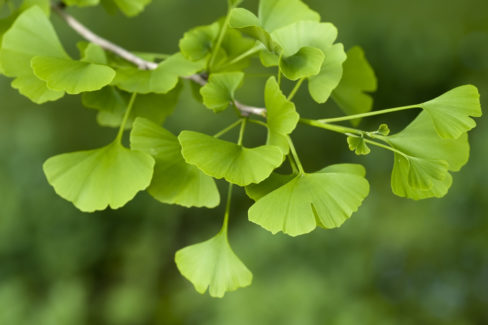
Let’s be honest: a Ginkgo tree isn’t a “one size fits all” addition to every backyard—at least, not every variety. Some of these ancient beauties can tower up to 130 feet tall! But don’t let that scare you off. If you pick the right variety and stay on top of your pruning game, you can absolutely keep a Ginkgo manageable and small.
Picking the Right Variety
If you’re working with a smaller space, the secret is to start with a slow-growing or dwarf variety. Nowadays, there are tons of cultivars that actually look more like a bush than a massive tree. For example, the “Tremonia” variety is a great pick if you want some height without the bulk; it grows in a sleek, columnar shape. Thanks to modern breeding, there’s pretty much a Ginkgo for every garden size and style.
Here are a few of my favorite compact varieties:
- Simon: Reaches about 6.5 feet.
- Mariken: Stays nice and low, topping out around 5 feet.
- Yellow Mellow: Another great dwarf option that stays around 5 feet.
These smaller varieties are also perfect if you want to try growing a Ginkgo in a pot.
Pruning Tips
If you’re determined to keep your Ginkgo small, regular pruning is non-negotiable. The best time to head out with your shears is in the spring. As a rule of thumb, you’ll want to trim back all new shoots by at least a third. If you notice any particularly aggressive branches, feel free to cut those back even further. Don’t forget to thin out the crown occasionally, too—this keeps the light reaching the center so the tree doesn’t get “bald” on the inside.
Feeding and Fertilizing
Here’s a pro tip: if you want to limit growth, you should actually go easy on the fertilizer. You don’t want to starve the tree, but overfeeding will lead to a growth spurt you might not want. For potted trees, simply refreshing the top layer of soil is usually enough. For trees in the ground, a little bit of compost or horn meal worked into the soil in the spring will give them just the right amount of nutrients without sending them into overdrive.