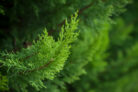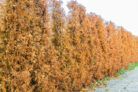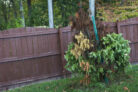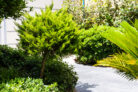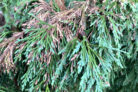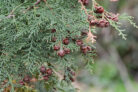
The Mediterranean Cypress is a stunning tree, but let’s be real: it’s not exactly a local. As much as we’d love for it to feel right at home, our climate can be a bit of a shock to its system. Because it’s often struggling to adapt to cooler, wetter conditions, its natural defenses stay down, making it a prime target for fungal infections.
Damp Weather: The Main Culprit for Root Rot
Weeks or months of gray, rainy weather don’t just ruin our weekend plans—they’re also a nightmare for the sun-loving Cypress. These trees are built for the Mediterranean, not for soggy soil. When things get too wet, fungi that cause root rot can take hold fast. On the flip side, you can’t let them go bone-dry either, as that invites a different (but equally nasty) set of pathogens. If you’re looking for something a bit more “set it and forget it” for our climate, False Cypresses tend to be much hardier.
Watering Woes and Soil Issues
Once a Cypress is established in the ground, it’s actually pretty good at finding its own water and rarely needs a soak from the hose. The real trouble starts when you mix overwatering with heavy, compacted clay soil. That’s a recipe for standing water. The same goes for potted trees—if there’s no drainage or if the pot is sitting in a saucer full of water, you’re asking for trouble.
How to Spot Fungal Problems
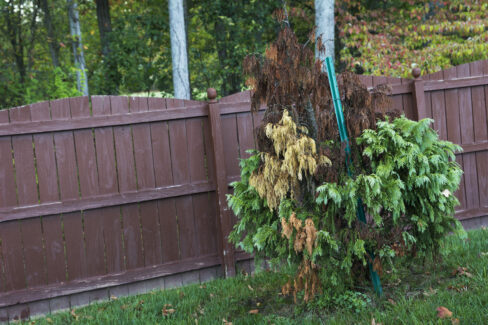
Since roots are hidden underground, you won’t see the rot starting. However, it doesn’t take long for the decay to climb up the trunk, and before you know it, the entire cypress begins to die. A specific fungus called *Phytophthora cinnamomi* is usually the culprit when you see branch tips turning brown and brittle. Another one to watch for is Gray Mold (Botrytis), which looks like a fuzzy gray coating over the needles.
Fighting Back Against Fungus
If you spot infected branches, grab your shears and prune them off immediately. Make sure to toss those clippings in the trash, not the compost pile! Just a heads-up when you prune: try not to cut back into the old, brown wood, because these evergreens won’t grow back from there. If the infection is really aggressive, you might need to use a fungicide from your local garden center. Just keep in mind that sprays should be a last resort, as we generally want to keep those chemicals out of our garden ecosystems.
Pro Tip:
Take a closer look at those branches you cut off. If you see tiny little exit holes in the wood, you aren’t dealing with a fungus—you’ve got pests called Cypress Tip Miners. You’ll need a totally different game plan to tackle those guys.
Preventing Fungal Diseases
The best way to keep a Cypress happy is to only plant it in the ground if you live in a relatively mild, dry region. If your area gets a lot of rain, consider keeping your tree in a large pot on a balcony or patio where a roof can protect it from downpours. Here are a few more ways to keep your tree healthy:
- Pick a spot with full sun to partial shade.
- Plant in loose soil (or break up heavy soil before planting).
- Only water during hot summer stretches or dry spells in winter (when it’s not freezing).
- Always add a drainage layer (like gravel) at the bottom of the hole or pot.
- Use mulch around the base to keep moisture levels even.
- Always use clean, disinfected pruning tools.