Hardy herbs are a total game-changer for your garden. Not only do they level up your cooking, but they also save you a ton of work since they don’t need to be coddled when the temperature drops. Here are some of the most popular cold-hardy varieties and why you’ll love growing them.
[[plants]]
++Peppermint (Mentha x piperita)
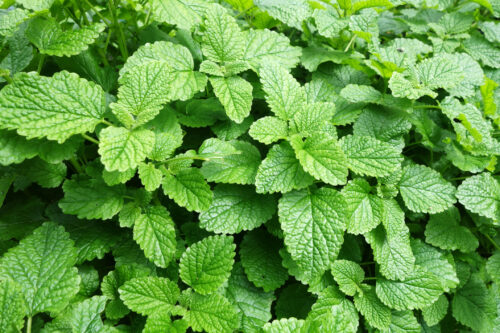
Not every mint variety can handle a deep freeze, but there are definitely some tough cookies out there. Peppermint is one of them. It grows from a rhizome (an underground root system) that can survive long periods of frost. Come springtime, this popular herb reliably pops back up to say hello. Plant some peppermint and you’ll always have fresh leaves for tea or for adding a bright, refreshing kick to your favorite dishes.
++Winter Savory (Satureja montana)
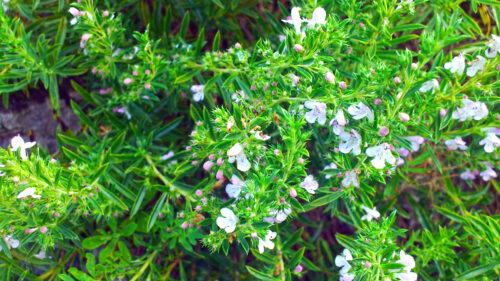
Unlike its cousin Summer Savory, Winter Savory is built for the cold. You can plant it right in the ground without worrying about extra winter protection. Its bold, peppery flavor is a dream in vegetable soups and hearty stews, making it a staple for winter comfort food. Pro tip: toss a few sprigs into the freezer bags when you’re prepping veggies like green beans!
++Chives (Allium schoenoprasum)
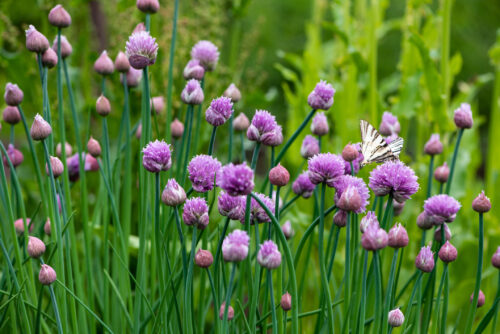
Chives are a backyard classic. They’re perfect for topping a baked potato, mixing into omelets, or garnishing a warm bowl of soup. While they handle the cold like champs, they do love their moisture. Just make sure the soil stays hydrated—but avoid watering on actual frost days. If you water when it’s freezing, the soil can turn into an ice block and damage the roots.
++Sage (Salvia officinalis)
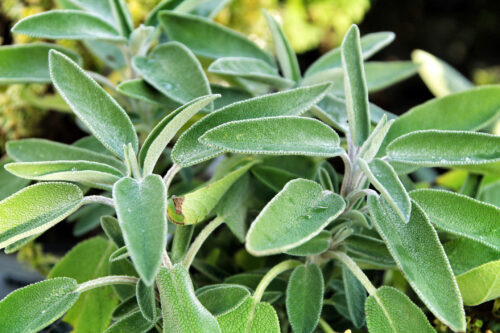
Sage is a sturdy perennial that does just fine outdoors during the winter. The leaves are essential for classic dishes like Saltimbocca or holiday stuffings, but they also make a wonderful soothing tea. Sage tea is known for its anti-inflammatory properties and is a go-to home remedy for coughs. If you want fresh leaves all winter long, you can also keep a pot on a sunny windowsill.
++Rosemary (Rosmarinus officinalis)
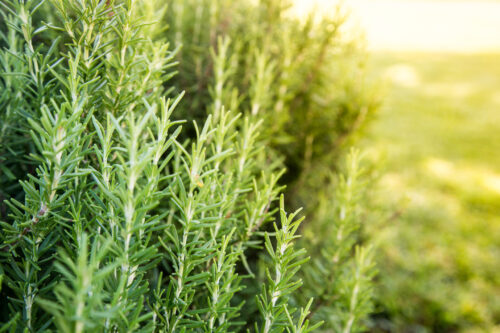
Rosemary is a Mediterranean favorite that smells like a dream and tastes even better with roasted potatoes. While some varieties are finicky, others are surprisingly hardy. If you want one that can stay outside, look for varieties like “Arp” or “Blue Winter.” If you’re growing it in a pot on your windowsill, the standard varieties will work just fine too.
++Thyme (Thymus x cheriloides)
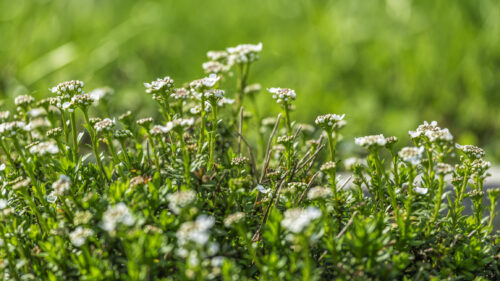
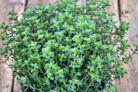
If you plant a hardy variety like “Duftkissen” (Scented Cushion), you won’t have to give your herbs a second thought when the snow flies. Thyme is incredibly resilient and its tiny flowers are a beautiful addition to any garden. Plus, you can keep harvesting the leaves well into the winter. It’s a very sustainable choice, and thyme does great in pots as well!
++English Lavender (Lavandula angustifolia)
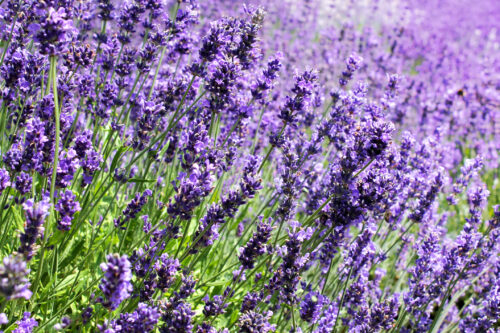
Lavender is a must-have for the scent alone, but you have to pick the right variety for cold climates. Stick with English Lavender. It’s highly fragrant and can handle temperatures as low as 5°F (-15°C). Just try to plant it in a spot that’s somewhat protected from harsh, biting winds.
%%Sweet Woodruff (Galium odoratum)
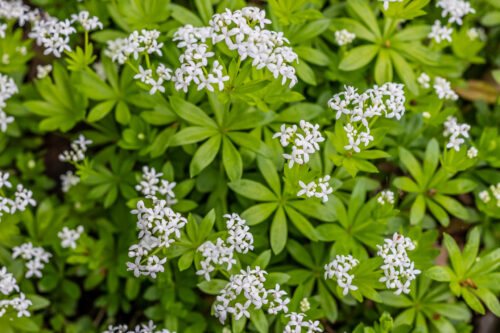
Looking for something a little different? Give Sweet Woodruff a try. It’s a perennial that grows naturally on forest floors, so it’s used to surviving cold winters. You can harvest the leaves in April and May—they have a very distinct aroma often used in syrups and desserts. With its pretty white flowers and love for shade, it’s the perfect way to brighten up those darker corners of your garden.