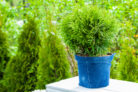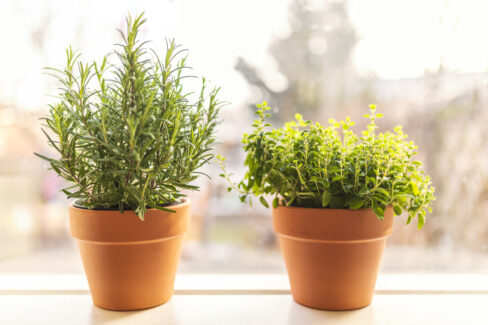
You don’t need a huge backyard to enjoy the aroma of fresh thyme. This hardy herb is actually a perfect candidate for container gardening on your balcony or patio. To help your potted thyme really thrive, you just need to nail the right location and a few simple care steps.
Where’s the best spot for potted thyme?
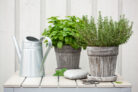
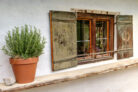
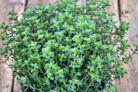
Since thyme is a Mediterranean native, it’s a total sun-worshiper. You’ll want to find a spot that gets plenty of light. It also loves fresh air, so it usually does much better outside on a balcony than cramped on a kitchen windowsill. Because thyme has a deep, branching root system, it needs some breathing room. Those tiny plastic pots from the grocery store are way too small—you’ll want to repot your herb into a larger container as soon as you get it home. Pro tip: Thyme much prefers breathable terracotta or clay pots over plastic ones.
What kind of soil does thyme need?
Think of thyme as a bit of a “minimalist.” It actually gets overwhelmed if it has too many nutrients or too much water. First things first: make sure your pot has a drainage hole at the bottom. I also recommend adding a layer of clay pebbles (LECA) at the base for extra drainage before adding your soil. If your balcony isn’t covered, skip the saucer—you don’t want rainwater pooling at the roots. For the soil itself, mix your potting mix 1:1 with gravel or sand. You’re aiming for soil that is:
- Lean (not too nutrient-rich)
- Dry
- Well-draining
- Never acidic
How do you care for thyme in a container?
Compared to thyme planted in the ground, your balcony herbs will need a little more TLC. You’ll need to keep an eye on watering, fertilizing, and protecting it during the winter. However, don’t overdo it! If you see brown leaves that look “dried out,” it might actually be a sign of over-care. If that happens, repot it immediately and trim away any rotting roots to save the plant. Also, don’t forget that propagating is easy—regularly dividing the plant keeps it young and gives you “free” new plants to share!