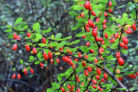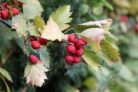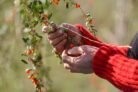
Once pollination is a success, barberry bushes produce those signature tiny red berries. Depending on the variety you have in your yard, these aren’t just a snack for the birds—they’re actually edible for us, too! Here is the lowdown on how to harvest these tart little gems.
Why Barberries are a Superfood
Those bright red berries aren’t just eye candy for your landscape; they’re packed with health benefits for us humans. Here’s why you should consider picking a few:
- Their tart, zesty flavor is super refreshing and energizing.
- They are loaded with Vitamin C.
- They’re high in fiber to keep you full, but very low in fat and calories.
- The natural red pigments help boost your immune system.
- They’ve traditionally been used as a natural remedy for colds, as well as liver and gallbladder issues.
When to Harvest
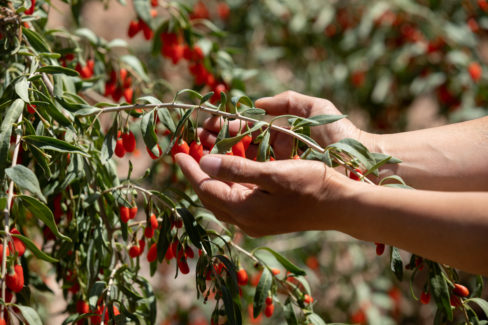
Generally, barberry harvest season kicks off in mid-to-late August. That’s when the fruit hits peak ripeness. If the birds don’t beat you to them, you can actually keep harvesting well into the winter since these berries are “winter-persistent” and hang onto the branches. You’ll know they’re ready when they turn a deep, dark red and have that distinct tart kick. If they’re still green or light red, leave them be—they aren’t ripe yet and won’t taste good at all.
How to Use Your Harvest
Let’s be real: eating raw barberries isn’t for everyone because they are *really* sour. However, they shine when you process them in the kitchen! They make incredible jams, jellies, compotes, or syrups. Barberry fruit tea is also a fantastic way to get a refreshing energy boost. If you want to jazz up your morning oatmeal or muesli with these healthy berries, I recommend drying them out first. Drying them mellows out that sharp acidity and makes them much more palatable.
Safety First During the Harvest
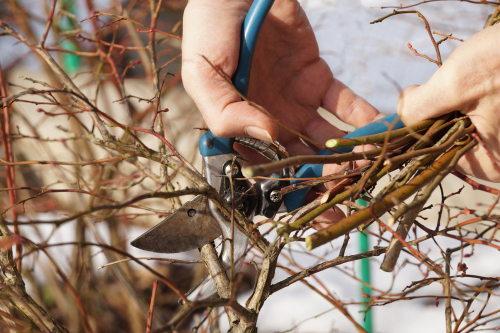
While the berries themselves are safe to eat, there’s a catch: the rest of the plant is actually toxic. When you’re out harvesting, you want to avoid touching the stems, leaves, and thorns as much as possible. Definitely gear up with sturdy gardening gloves and long sleeves to protect your skin. Not only will this keep you safe from the plant’s toxicity, but it’ll also save you from getting poked by those wicked sharp thorns. If you’re working deep in a thick bush, a pair of safety glasses isn’t a bad idea either to keep your eyes safe from stray branches.