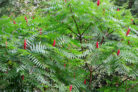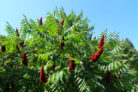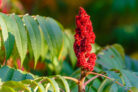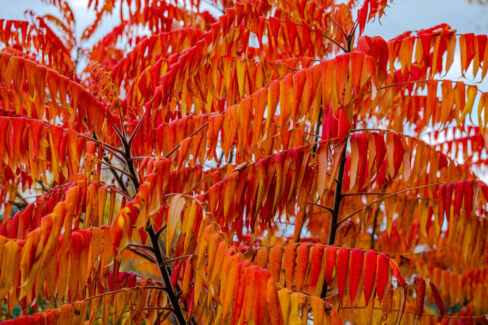
The Staghorn Sumac (botanical name: *Rhus typhina*) is a gorgeous deciduous shrub known for its feathery, fern-like leaves that dance beautifully in the breeze. While it’s a lovely plant year-round, the real reason most of us fall in love with this shrub is its jaw-dropping fall foliage.
Autumn Vibes
When it comes to the seasons, fall is definitely the Staghorn Sumac’s time to shine. While it does bloom from June to July, its 8-inch flower panicles are a subtle greenish color and tend to blend in. The real magic happens later in the year when the foliage begins its transformation. Plus, autumn is when those iconic crimson fruit clusters are fully ripe and looking their best.
A Kaleidoscope of Fall Colors
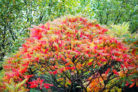
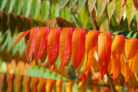
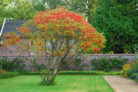
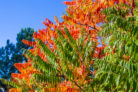
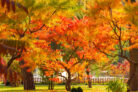
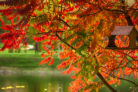
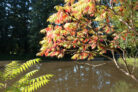
During its transition, the Staghorn Sumac puts on a literal light show. It’s common to see a single shrub sporting a whole palette of colors all at once, including:
- Deep green
- Lime green
- Golden yellow
- Vibrant orange
Just before the leaves finally drop for the winter, the entire shrub glows in a brilliant, fiery crimson.
What Makes the Colors Pop?
While the color change is a natural process of the plant breaking down chlorophyll, there are a few factors that determine just how “wow” those colors will be:
- Soil quality
- Planting location
- The year’s weather
The Soil
If you want those neon-bright colors, the Staghorn Sumac loves soil that is:
- Sandy
- Low in lime (acidic to neutral)
- Well-draining
If your sumac is sitting in heavy, compacted clay soil, the color show might be a bit more muted.
The Location
Sunlight is the secret ingredient! To get the most spectacular fall display, plant your *Rhus typhina* in a spot that gets full sun. If it’s stuck in the shade, the colors just won’t have that same punch.
The Weather
Even with perfect soil and sun, nature still has the final say. A dry, sunny summer usually leads to an incredible color explosion in the fall. On the flip side, a very wet and rainy summer can make the autumn colors look a bit duller than usual.
The Fruit
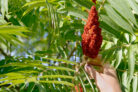
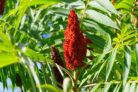
Once the fruit fully matures in the fall, the visual interest hits a whole new level. These small drupes are bright red and grow in upright, pyramid-shaped clusters on female plants. These fuzzy “candles” create a stunning contrast against the leaves while they are still green.
Staghorn Sumac as a Bonsai
If you’re a fan of miniature trees, you’ll be happy to know that you can grow *Rhus typhina* as a bonsai without missing out on that famous color change. The trick is to treat it like its full-sized cousins—keep your bonsai outdoors! If you try to keep it inside, it’ll miss out on the sun, rain, and wind it needs to develop that healthy, vibrant fall foliage we all love.