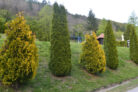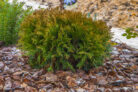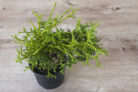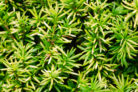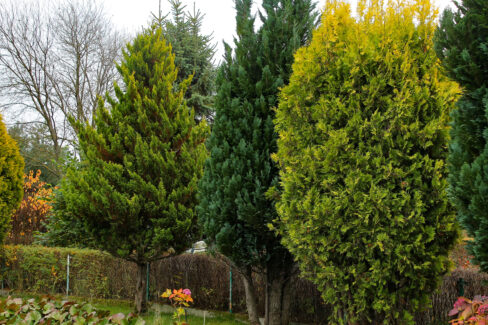
It’s actually pretty rare to see pests or diseases bothering an Emerald Green Arborvitae (Thuja Smaragd). Most of the time, if your tree is looking a little under the weather, it’s usually down to a simple care mistake. That said, it’s still super important to recognize the signs of trouble so you can jump in and fix things fast.
Common Pests and Diseases for Emerald Green Arborvitae
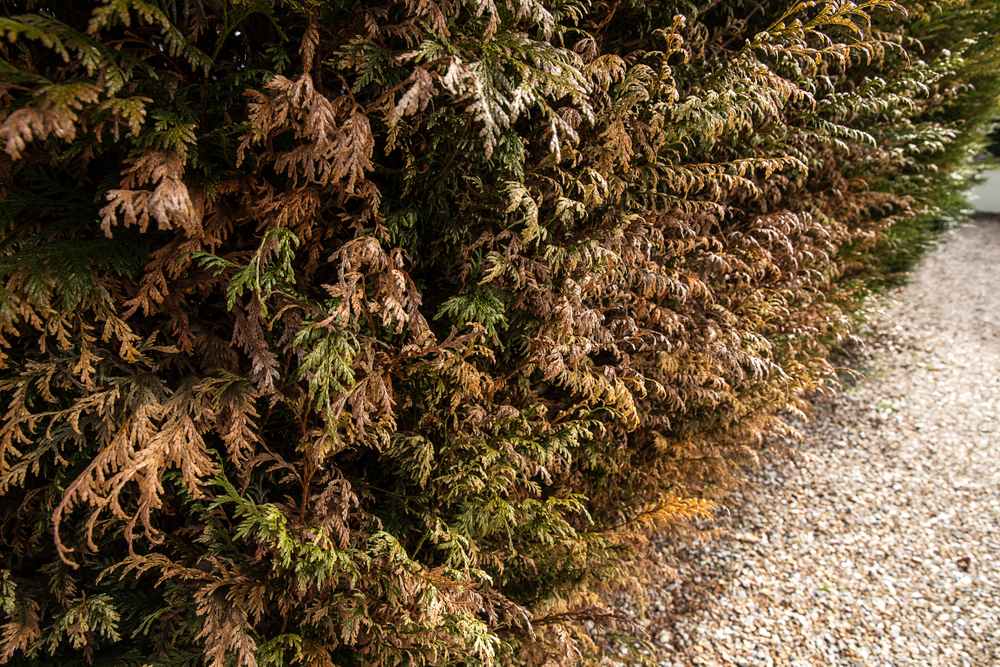
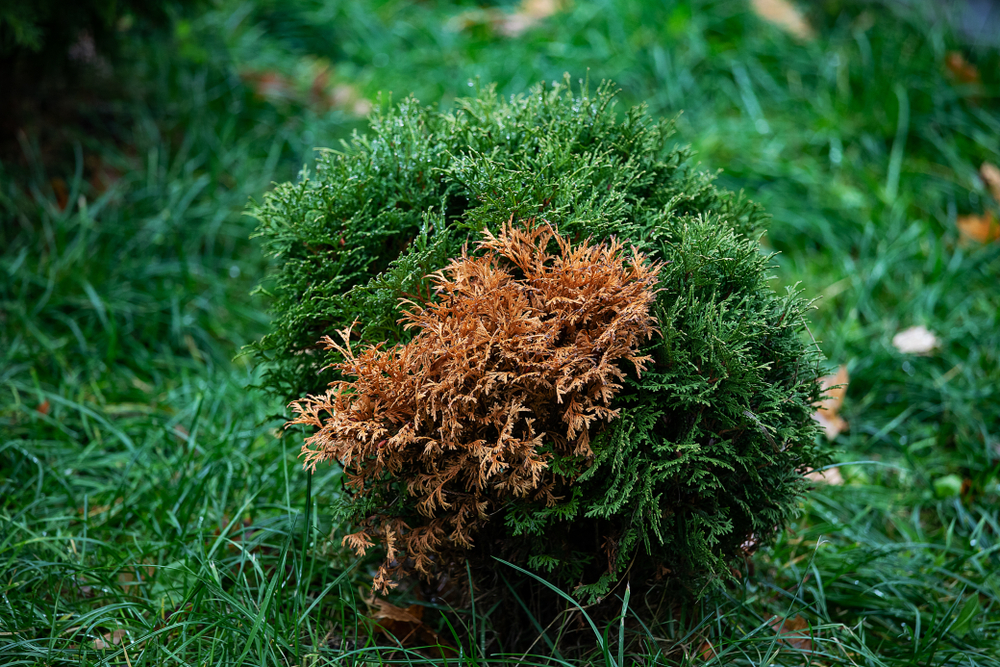
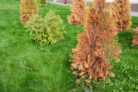
In most cases, a struggling Arborvitae is reacting to poor maintenance or being planted in the wrong spot. Even planting your hedge rows too close together can cause issues. However, fungal diseases or pests do occasionally move in. Keep an eye out for these red flags:
- Dead or dying shoots
- Brown discoloration
- Stunted growth
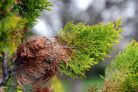
- Visible feeding tunnels on the branches
Keeping Your Emerald Green Arborvitae Healthy
A well-loved Arborvitae is a tough Arborvitae! When your trees are healthy, they’re much more resilient against pests and diseases—and if they do get hit, they bounce back way faster. Good care starts the moment you plant them by prepping the soil correctly. To keep your hedge thriving over the years, follow these tips:
- Keep the soil consistently moist
- Water in the early morning hours when needed
- Make sure the soil drains well to avoid standing water
- Feed moderately with an organic fertilizer
- Give them a regular trim
How to Handle Pests and Diseases
If you spot a fungal infection, you’ve got to act fast. If it spreads too far, your tree might not make it. Start by pruning away any affected branches—and don’t be afraid to be aggressive with the cuts. For serious outbreaks, there are fungicides available that can help clear things up. Just a heads-up: never put diseased clippings in your compost pile! It’s best to burn them or toss them in the regular trash so the fungus doesn’t spread.
When it comes to bugs, the leafminer and the bark beetle are the main troublemakers. Their larvae eat their way through the inside of the branches, which can be tricky to treat. Your best bet is to prune out the infested areas. If a tree is too far gone to save, it’s better to dig it out as soon as possible to protect the rest of your garden.