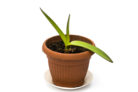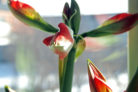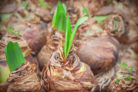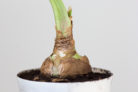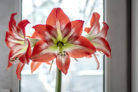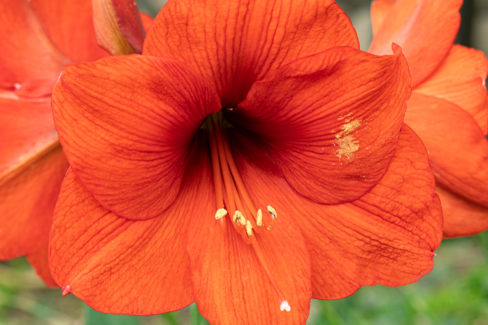
It’s a sad sight: every winter, countless Amaryllis plants get tossed in the trash once their flowers fade. But here’s a pro tip—these subtropical beauties have plenty of life left in them! With a little TLC, you can keep yours growing for years. In fact, if you play your cards right, you can even coax your Amaryllis into a second round of stunning blooms during the summer.
Ready to see those vibrant petals again? Here’s how to make it happen.
Proper Care After the First Bloom
Getting your Amaryllis to bloom again starts the moment the last winter flower withers. This is the “recharging” phase where the plant saves up energy and refills its nutrient reserves. The secret? A little strategic pruning.
To set the stage for a comeback, follow these steps:
- Grab a sharp pair of garden shears and carefully snip off each faded flower from the main stalk.
- Hold off on cutting the main flower stalk until it has completely yellowed and dried up. Then, trim it down to about 2 inches above the bulb.
Whatever you do, leave the green leaves alone! They act like solar panels, absorbing sunlight and sending essential nutrients back down into the bulb for next year’s show.
How to Trigger Summer Blooms
Keep your Amaryllis indoors in a bright spot with indirect light until early summer. Water it regularly (pouring water into the saucer is best) and hit it with some liquid fertilizer every two weeks. This keeps the plant fueled up and growing strong.
Once May rolls around and the frost is gone, it’s time for a little “summer vacation” outdoors. Give the plant about 10 days to harden off in a shady, warm spot before moving it into more light. The fresh air and natural temperature swings are exactly what the plant needs to trigger new growth.
Here’s the game plan:
- If you have a garden, you can actually sink the entire pot right into the soil in a sunny, warm spot.
- If you’re a balcony or patio gardener, just keep the pot outside. Just make sure it’s protected from the harsh, scorching midday sun.
- Keep up with the regular watering and that bi-weekly fertilizer routine.
Let the old foliage stay until it naturally dies back. You’ll likely see fresh leaves sprouting, and with a bit of luck, a brand-new flower spike will emerge to brighten up your summer!
Keeping the Cycle Going
If you’ve successfully managed a summer bloom, you’re probably hooked! The good news is you can get the plant back on track for a classic holiday display in December.
Here’s how to prep for the next round:
- In late July, start cutting back on water and stop fertilizing altogether.
- Snip off any spent summer flowers quickly so the plant doesn’t waste energy producing seeds.
- Only remove the stalk and leaves once they have completely turned brown and withered.
By late August, it’s time for “nap time.” Move your plant to a cool, dark place like a basement for its dormancy phase and stop watering completely. In early November, bring it back into the warmth, repot it with fresh soil, and place it in a bright window. Before you know it, the cycle starts all over again!