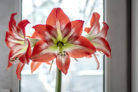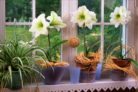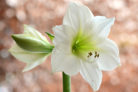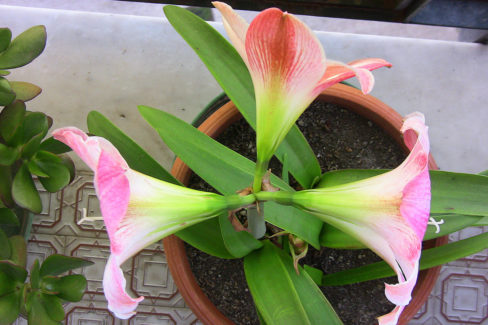
If you’ve ever owned an Amaryllis, you know how breathtaking those blooms are—and you probably want to see them again every single year! With the right strategy and a little TLC, you can totally get this subtropical beauty to bloom a second (or third, or fourth) time. Here’s my go-to guide on how to keep your Amaryllis happy and blooming.
How to Properly Prune a Faded Amaryllis
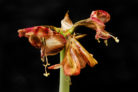
A little strategic pruning goes a long way in helping your plant focus its energy on new growth. Here is how to clean up your Amaryllis once the flowers start to fade:
- Snip off each individual flower as soon as it wilts.
- Wait to remove the main flower stalk until it has turned yellow. When it’s ready, cut it about 4 inches above the bulb.
- Keep the green leaves! Don’t touch those yet.
By removing the spent flowers early, you prevent the plant from wasting energy on seed production, saving that “fuel” for next year’s show.
Keeping Up the Care Routine
The Amaryllis (or *Hippeastrum*) follows a subtropical growth cycle. Right after the blooming period ends, the plant enters its main growth phase. During the summer, it’s actually busy developing a tiny new bud deep inside the bulb. That’s why you can’t just stop caring for it once the flowers are gone! Here’s what to do:
- Keep watering your plant regularly from the bottom, even after you’ve pruned the stalks.
- Through July, fertilize every two weeks with a standard liquid flowering plant fertilizer.
- Once May rolls around and the frost is gone, move your plant to a sunny spot outdoors.
Pro tip: To prevent the leaves from getting “sunburned,” give your plant about 10 days in a semi-shaded outdoor spot to toughen up before moving it into direct sunlight.
The Fall Dormancy Phase: The Secret to New Blooms
Amaryllis bulbs need a “nap” in the fall to recharge. This dormant period is what actually triggers the next round of flowers. Here is how to set the stage for a comeback:
- Start cutting back on water in July. By the end of August, the soil should be completely dry.
- Stop fertilizing altogether at the beginning of August.
- In September, move your plant to a cool, dark place.
Keep your Amaryllis in this “chill zone” (like a basement) until November. Temperatures between 45°F and 50°F (6–10°C) are perfect. At the end of this rest period, bring your plant back into the living room and trim off any remaining yellowed leaves. Finally, repot your bulb into fresh soil and place it on a bright, warm windowsill to start the cycle all over again!