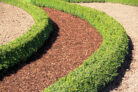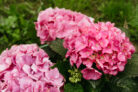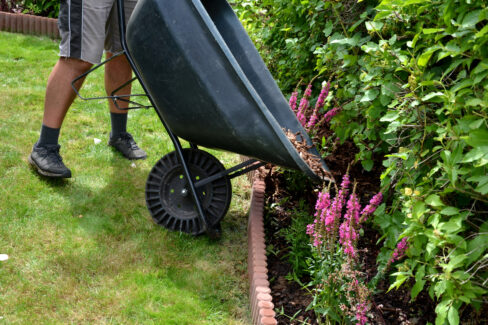
If you’re looking for a simple way to keep your hydrangeas happy, spreading a little bark mulch around them can be a total game-changer. Not only does it help acidify the soil—which hydrangeas absolutely love—but it also makes your garden look great. That said, there are a few tips and tricks you should know before you start dumping bags in your flower beds.
The Perks of Using Bark Mulch
First off, bark mulch is a lifesaver when it comes to weed control. It keeps those pesky weeds from popping up, meaning your garden stays looking sharp without you having to spend every weekend weeding on your hands and knees. Plus, it ensures that your hydrangeas don’t have to compete with other plants for water and nutrients. Mulch actually acts like a natural sponge, soaking up moisture and slowly releasing it back into the soil after you’re done watering your hydrangeas.
Another big plus? Bark mulch naturally lowers the soil’s pH level. Since hydrangeas thrive in acidic soil, this is a huge win. Just keep in mind that a thick layer of mulch can sometimes slow down how quickly fertilizer reaches the roots. It’s definitely something to keep an eye on when you’re fertilizing your hydrangeas.
How to Properly Mulch Your Hydrangeas
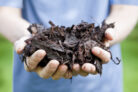
Bark mulch is essentially shredded tree bark, but not all mulch is created equal. Some cheaper options can contain pollutants or chemicals you don’t want near your plants. To play it safe while mulching your hydrangeas, I always recommend buying organic-certified bark mulch. This way, you can rest easy knowing you aren’t introducing anything harmful into your backyard ecosystem.
How to get it done:
- Clear out any existing weeds around the base of the hydrangea.
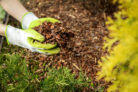
- Spread a layer of bark mulch about three inches thick.
- Give the hydrangea’s spot a good soak with the hose.
Over time, the mulch will naturally break down or get mixed into the dirt, so you’ll want to top it off every now and then. Generally, though, a good layer of mulch lasts quite a while. It also provides a nice bit of insulation during the winter to keep the roots warm—which is especially helpful for potted hydrangeas that are more exposed to the cold!