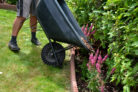
Hydrangeas absolutely love acidic soil. To keep them happy, you can tweak your soil conditions using specific fertilizers or, my personal favorite method: applying a good layer of mulch. Here’s the lowdown on how to mulch your hydrangeas and why it’s a total game-changer for your garden.
The Perks of Mulching
When you spread a layer of mulch around your hydrangeas, you’re basically putting up a “No Trespassing” sign for weeds. This isn’t just about keeping things looking tidy (though that’s a huge plus!); it also means your hydrangeas don’t have to compete with pesky weeds for water and nutrients.
Speaking of water, mulch is like a sponge. It holds onto moisture and prevents the soil from drying out too fast in the summer sun. If you use slow-release fertilizers, a mulch layer helps trap those nutrients and feeds them to your plants gradually. Honestly, it’s one of the best ways to make your gardening life a whole lot easier.
During the winter months, that layer of mulch acts like a cozy blanket, providing much-needed insulation. While most hydrangea varieties are hardy enough to handle the cold, young plants and those in containers are more sensitive to frost. A little extra mulch gives them that vital layer of protection.
How to Mulch Like a Pro
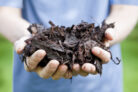
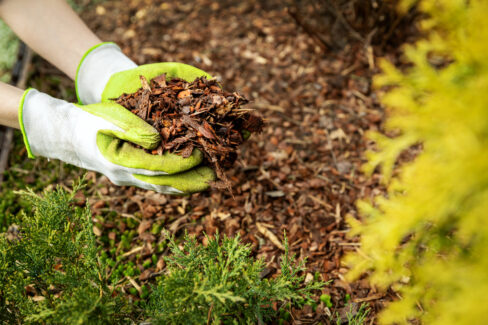
Bark mulch is a fantastic choice because it adds nutrients back into the earth and helps maintain that slightly acidic pH hydrangeas crave. To keep your plants healthy, always go for high-quality, organic materials to avoid any nasty chemicals. And don’t be stingy! You’ll want a layer at least 2 inches (5 cm) thick. If the layer is too thin, you’ll miss out on all those great benefits we talked about.
Here are some great materials you can use:
- Wood chips or shredded bark
- Grass clippings
- Fallen leaves
- Cocoa bean hulls
- Pine bark mulch
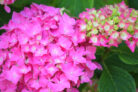
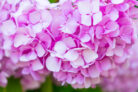
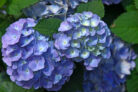
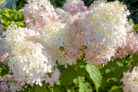
Don’t forget your potted hydrangeas—they love mulch too! It’s a great idea to start mulching while your plants are still young so they can get used to their environment early on. Once you’ve mulched, keep an eye on your soil’s pH level. You can fine-tune it with specific fertilizers if needed. Fun fact: by managing the soil pH, you can actually change the color of your hydrangea blooms!