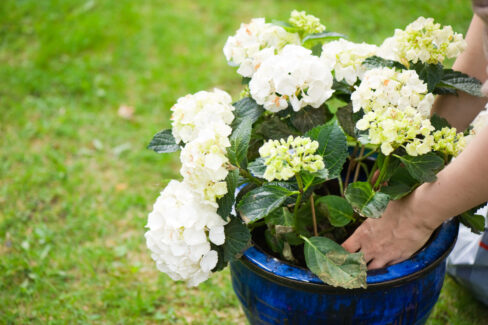
The secret to those show-stopping hydrangea blooms actually lies underground. It’s all about a healthy root system! Hydrangeas develop a sturdy, dense rootstock that anchors them into the garden. Here’s the lowdown on how these roots grow, what they look like, and how to keep them happy so your plants can thrive.
The Hydrangea Rootstock
It’s no secret that hydrangeas are thirsty plants. In fact, their botanical name, *Hydrangea*, comes from the Greek word “hydro,” meaning water. These plants are basically water-guzzlers! For those big, colorful flower heads to develop, the roots need to pull plenty of moisture and the right nutrients from the soil—and the soil pH has to be just right, too. But what’s actually going on beneath the surface?
Hydrangeas are classified as shallow-rooted plants. This means their roots don’t dive deep into the earth; instead, they spread out just below the surface to soak up nutrients. The center of the rootstock is incredibly tough and woody. If you ever try dividing your hydrangeas, you’ll quickly realize you usually need a sturdy saw to get through that central clump! Fine, fibrous roots branch out from this woody core. If you ever need to transplant one, make sure you don’t just dig up the center—you’ll want to get as much of that entire root system out intact as possible.
What Your Hydrangea Roots Need to Thrive
Even though hydrangeas love moisture, they are definitely not fans of “wet feet.” If the roots sit in standing water for too long, they’ll start to rot. If you don’t catch it in time and save your overwatered hydrangea, the plant won’t make it. Choosing the right spot in your garden is the best way to ensure good drainage and healthy roots. If your soil is heavy clay, try adding a drainage layer at the bottom of the hole when planting to keep things moving.
For the happiest roots, aim for:
- Specific hydrangea soil, or mixes designed for rhododendrons and azaleas.
- Moist but well-draining soil with plenty of organic matter.
- Nutrient-rich soil with a slightly acidic pH.
To keep those roots going strong year after year, make sure you fertilize correctly and water regularly. Keep an eye on your soil’s pH level, too—if it’s off, your vibrant colors might start to fade. In fact, by tweaking the soil pH, you can even turn your hydrangea blooms blue!