Raspberries are a bit like us—they love a comfy environment! They thrive in loose, nutrient-rich soil that stays consistently moist. To keep your raspberry patch happy, mulching is the way to go. One of the best materials for the job is bark mulch. In this post, I’ll break down why bark mulch is a game-changer for your berry harvest.
What Exactly is Bark Mulch?
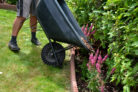
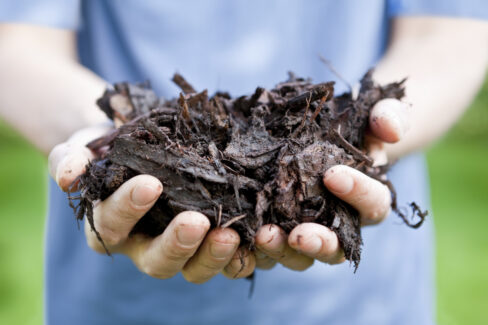
Bark mulch is pretty much what it sounds like: shredded or chipped tree bark. You can easily grab a few bags at your local garden center, or if you’ve got a wood chipper and some old logs, you can make your own right at home. Pro tip: Check with your local municipality! Many towns process yard waste into mulch and offer it to residents for a small fee or even for free. It’s definitely worth a quick phone call.
The Perks of Using Bark Mulch
Using bark mulch around your raspberries comes with a ton of benefits:
- It keeps the soil consistently hydrated.
- It helps maintain that loose, airy soil structure raspberries love.
- It acts as a natural weed barrier (less weeding for you!).
- It slowly feeds the plants as it breaks down.
- It acts like a cozy blanket, protecting roots from freezing winter temperatures.
Prepping for Winter with a Fresh Layer
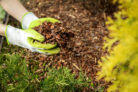
The best time to spread your bark mulch is in the fall. This sets your bushes up for success before the cold hits. Because bark decomposes much slower than other materials, it provides long-lasting protection against frost and freezing cycles.
As it slowly breaks down, it releases essential nutrients into the soil. It’s basically a slow-release, natural fertilizer that keeps your raspberries fed all winter long.
Another reason I love bark mulch? Unlike grass clippings or fallen leaves, which can sometimes carry weed seeds or nasty pathogens, bark mulch is generally clean and safe. That’s why it’s my top recommendation for a healthy, productive raspberry patch.