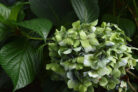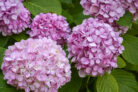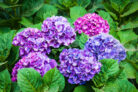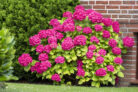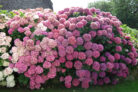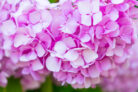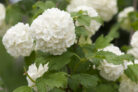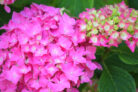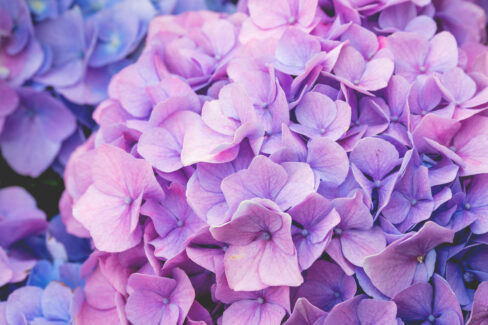
Have you ever noticed your hydrangeas losing their “pop” after a few years? It’s a common frustration for gardeners, especially if you started with a stunning blue shrub that’s slowly turning a dull shade of pink. But don’t worry—you haven’t lost your green thumb! Here’s the lowdown on why your hydrangeas are fading and how you can get those vibrant colors back.
It’s All About the Soil
When a hydrangea starts losing its color, it doesn’t usually happen overnight. You’ll probably notice two-toned blooms first, which can actually look pretty cool for a season or two. But eventually, the pigment fades out.
Here is how those colors typically shift:
- Deep pinks fade to soft rose or white.
- Brilliant blues turn pink.
- Crisp whites often take on a greenish tint.
The secret behind these color changes is almost always hiding in your soil—specifically, the pH level. Think of your soil like a chemistry set: if the pH is around 6.0, your hydrangea will likely stay pink. If you want those deep, electric blues, you need more acidic soil with a pH of 5.5 or lower. On the flip side, if your soil is more alkaline (above 6.5), you’ll see pinks and sometimes even reddish tones.
How to Bring the Color Back
If you want your hydrangeas to return to their former glory, you’ve got to tweak the soil chemistry. First things first: grab a simple pH test kit from your local garden center to see what you’re working with. Once you have your numbers, you can mix in specific amendments to shift the pH. Using the right fertilizer is usually the easiest way to do this—it feeds the plant and fixes the color at the same time!
Here’s how to steer your blooms in the right direction:
- To make soil more acidic (for blues): Mix in compost, rhododendron soil, or pine bark mulch.
- To make soil more alkaline (for pinks): Add a bit of garden lime.
- For that “True Blue”: Use a “Blueing Agent” or aluminum sulfate fertilizer.
That signature blue color actually comes from the plant absorbing aluminum. The catch? Hydrangeas can only soak up aluminum if the soil is acidic enough. By using a specialized blue hydrangea fertilizer, you’re providing the aluminum they crave while keeping the pH right where it needs to be.