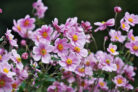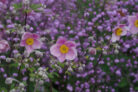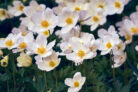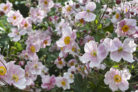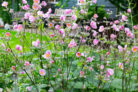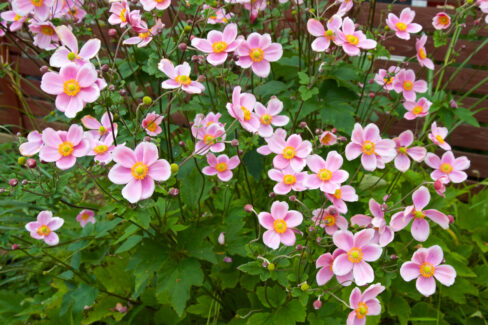
The colorful blooms of anemones sway so gracefully in the breeze that you might know them better by their charming nickname: windflowers. While some varieties pop up in the spring, the ones that bloom in the fall are hardy perennials. These late-season beauties, known botanically as *Anemone hupehensis*, are reliable garden staples that come back year after year.
Buying and Propagating Japanese Anemones
Spring-blooming anemones are usually bought as bulbs (or tubers) and tucked into the soil. Fall anemones, on the other hand, are typically sold as small potted plants at your local nursery or even as root cuttings. If you already have one established in your garden, it’s the gift that keeps on giving! You can collect seeds, take stem or root cuttings, or simply divide the plant. To divide, carefully dig it up in the spring, split the roots into sections with 4-5 “eyes” (growth buds) each, and pop them back into the ground.
Planting and Finding the Perfect Spot
These flowers love a spot that is sunny, bright, and airy. Just be careful with high-wind areas—since the flower stalks can reach up to 5 feet tall, they might snap if things get too gusty. They’ll also grow under light, dappled shade from trees, though you might get fewer blooms. The ideal soil is loose, nutrient-rich, and not too acidic. I always recommend mixing in some compost before planting. If you’re short on garden space, you can also grow them in a large, deep container.
The best time to plant fall anemones is in the spring. This gives the plant plenty of time to establish a strong root system and build up its winter hardiness. When planting, make sure the hole is deep enough to accommodate the long taproot. The crown should sit just above the soil surface. Gently firm the soil down with your foot and give it a good drink of water.
Quick Tip:
Anemones like to spread out! Give them some breathing room by leaving at least 30 inches (80 cm) of space between them and their neighbors.
Care and Maintenance
The “to-do” list for these garden beauties is pretty short, making them perfect for low-maintenance lovers:
- Keep the soil consistently moist, but avoid “wet feet” (standing water).
- Protect them from heavy, prolonged downpours if possible.
- Feed them with compost in the spring.
- Deadhead faded flowers regularly to keep things looking tidy.
- Prune the whole plant back in early spring.
Established anemones are quite hardy and can stay in the ground all winter. However, if you live in a very windy area or just planted them this year, it’s a good idea to give them some winter protection with a layer of mulch or brushwood.
A Note on Safety:
Keep in mind that all anemones are toxic. It’s a good idea to wear gloves to protect your skin from the sap when pruning. Also, make sure they are planted out of reach of curious toddlers.