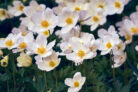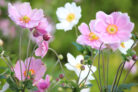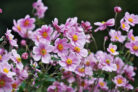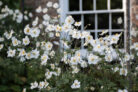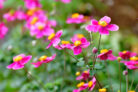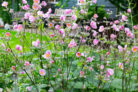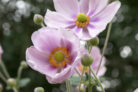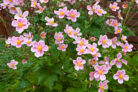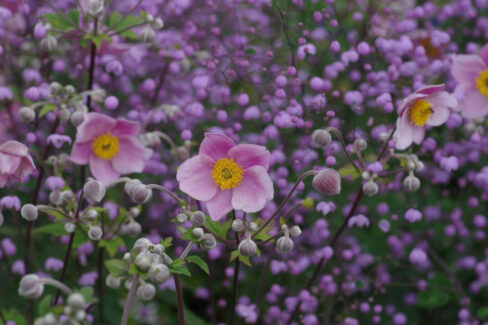
The late-blooming *Anemone hupehensis* is a total sun-seeker, even as the days get shorter in the fall. These vigorous perennials absolutely love the light! If you try to tuck them away in the shade, they won’t be able to produce those gorgeous pink and white blossoms we all love. Instead, you’ll end up with just a few stunted flowers and some pretty wonky, uneven growth.
The Best Spot for Your Japanese Anemones
If you’re looking to grow some Anemone hupehensis in your own garden, you’ll want to pick the sunniest spot possible, or at least somewhere with very light partial shade. While these fall beauties can grow under thin, airy trees, they have a habit of leaning their flower stalks toward the sun, which means they won’t grow nice and straight.
Your best bet is to plant your perennials in the spring under shrubs that let plenty of light filter through. A word of advice: avoid planting them under evergreens or conifers. Those dense needles just block out too much of the sunlight these plants crave.
Windflowers Actually Need a Little Shelter
Even though they go by the charming nickname “Windflowers,” these perennials aren’t actually big fans of a stiff breeze. To keep them happy, try to plant them in a sheltered spot—tucked in front of a garden wall is usually perfect.
As for the soil, *Anemone hupehensis* thrives in loose, porous, and humus-rich ground. You want soil that drains well but is still packed with nutrients. They also prefer things a little on the acidic side, with a pH between 5.5 and 6.5. I recommend gently hoeing the soil every now and then to keep things loose and weed-free.
Just a heads-up: be super careful when you’re working the soil! You don’t want to accidentally nick the sensitive roots or those delicate little runners the plant sends out.
Growing Fall Anemones: Flower Beds or Solo Stars?
If you’re dreaming of a big flower bed filled with fall anemones, you might want to look into “Anemone tomentosa.” This variety is a bit more “neighbor-friendly” because it handles the shade created by other plants in the bed much better.
On the other hand, the popular *Anemone hupehensis* really shines as a standalone plant. It’s best to give it a spot where it can soak up the sun from every angle. I’ve found that planting them near wooden fence posts or garden fences works wonders for their overall health.
Pro Tip: If you want your anemones to reach their full height, try to leave them in the same spot for at least two years. Once they’ve had time to settle in, they become much more winter-hardy and won’t need nearly as much protection when the frost hits.