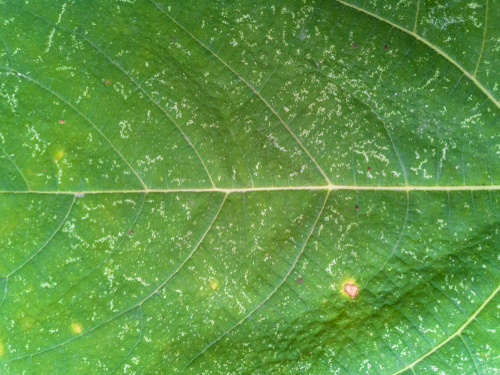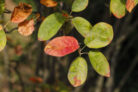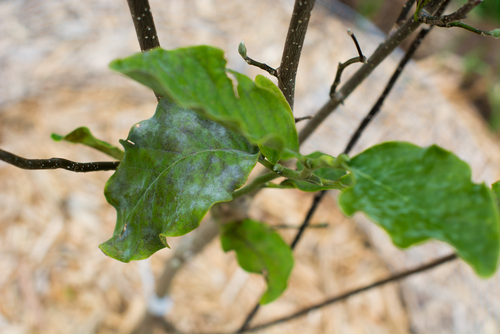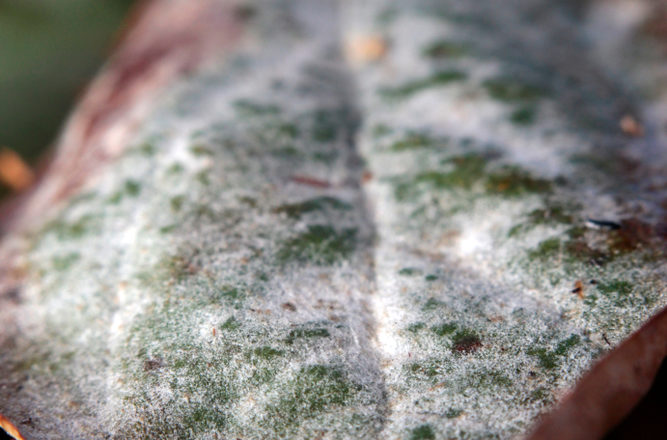
Generally speaking, serviceberries (also known as Juneberries) are pretty tough cookies. They’re hardy plants that don’t usually run into much trouble with pests or diseases. That said, they aren’t totally invincible. Fungal infections, in particular, can occasionally give your serviceberry a hard time.
How to Spot a Fungal Problem
When it comes to fungus, acting fast is the name of the game. Catching it early is often the only way to save the plant. However, you don’t want to jump the gun with the wrong treatment, either. Usually, the leaves are the first place you’ll notice something is off. If you see changes in the foliage, it could be a few different things, such as:
- Red leaves appearing before fall due to extreme weather stress,
- Fire blight, or
- An outbreak of powdery mildew.
Identifying Powdery Mildew
Powdery mildew is caused by the *Podosphaera* fungus. It usually shows up when the plant is stressed—maybe it’s in the wrong spot in the yard, the weather has been funky, or the maintenance routine is a bit off. Of course, it can also just jump over from other infected plants nearby.
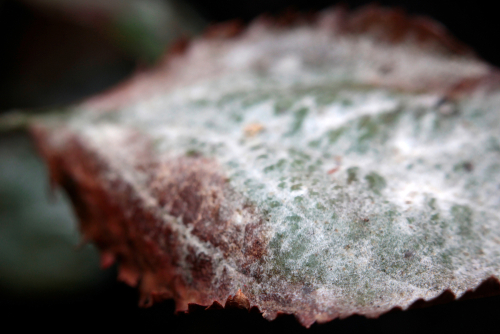
You’ll know it’s powdery mildew by that signature whitish coating on the leaves. It usually starts as tiny white dots on the tops of the leaves. Those spots eventually spread until the entire leaf is covered. As it gets worse, the leaves will curl up and drop off well before autumn even arrives.
How to Prevent and Treat Mildew
The best way to prevent mildew is to keep your serviceberry well-pruned. Thinning out the branches ensures good airflow throughout the entire plant. If you do spot an infection, grab a sharp pair of garden shears and cut away all the affected areas. Make sure to disinfect your tools with alcohol afterward and toss the clippings straight into the trash.
Whatever you do, don’t put those infected branches in your compost pile! The fungus can survive there and spread right back to your garden. Keep in mind that a mildew outbreak doesn’t just make the plant look messy—it also means you should skip harvesting the fruit that year. It’s better to be safe than sorry when it comes to eating them!