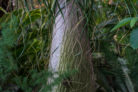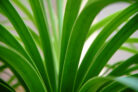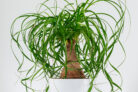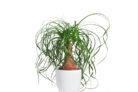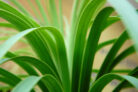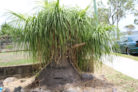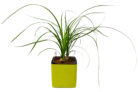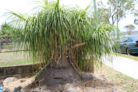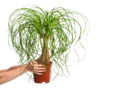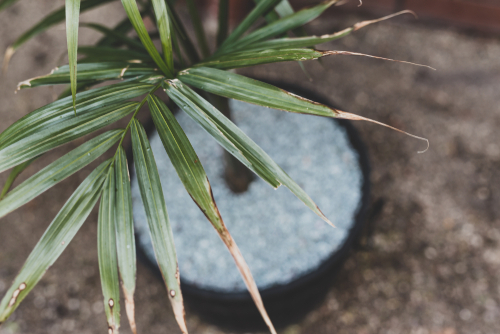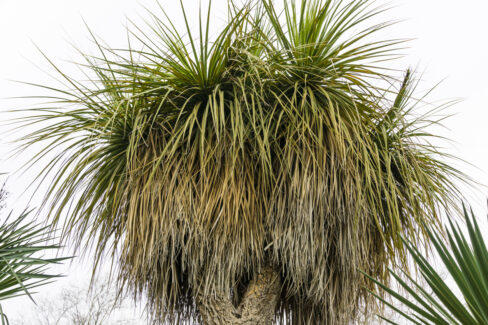
The Elephant Foot plant (botanically known as *Beaucarnea recurvata*), or the Ponytail Palm as we often call it, is a super hardy, evergreen favorite. That’s why it’s so frustrating when those beautiful cascading leaves start turning brown at the tips. Those brown tips aren’t just an eyesore; they’re actually your plant’s way of telling you it’s not feeling its best.
Brown Leaf Tips: A Sign of an Unhappy Plant
When your Ponytail Palm starts sporting brown tips, it’s trying to send you a message. Usually, the culprit falls into one of two categories:
- The wrong location and/or
- A hiccup in your care routine
Location, Location, Location
Even though they grow slowly, Ponytail Palms need their personal space. If the leaf tips are constantly brushing against a wall or the floor, they’ll eventually turn brown from the friction. If you have a larger plant, try setting it on a plant stand or stool to give those leaves room to hang. For smaller ones, just make sure the tips aren’t pressed against the windowpane or the windowsill.
Light is also a big deal. You want to find a spot that is bright and sunny. However, be careful with intense, direct midday sun right against a window, as it can be a bit much.
During the winter, keep an eye out for cold drafts. Also, remember that dry indoor heating can zap the humidity out of the air, which is a classic cause for those crispy brown ends.
Common Care Mistakes
If you’ve checked the location and everything seems fine, it’s time to look at how you’re pampering (or over-pampering) your plant.
Watering Habits
In its native Mexico, the Ponytail Palm thrives in scrublands and semi-deserts, so it’s built to handle a bit of drought. That said, if it goes too long without a drink, brown tips are the first sign of dehydration. On the flip side, if you get a little too “water-happy,” the plant will get stressed from soggy roots, also resulting in—you guessed it—brown tips.
To find that perfect watering balance, only water your plant when the top inch or two of soil feels dry to the touch. If your plant is currently sitting in swampy soil, let it dry out completely before watering again. If it’s bone dry, give it a good soak so it can recharge its trunk.
Nutrient Deficiencies and Pot Size
If your location and watering are on point, take a look at the pot. If the container is too small, the roots get cramped and can’t efficiently pull in the nutrients the plant needs. This “root-bound” stress often shows up as brown tips. You’ll know it’s time for a bigger home if you notice:
- Roots poking out of the drainage holes
- Almost no space between the base of the “foot” and the edge of the pot
- Water just sitting on top because there’s no soil left to absorb it