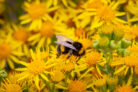
Before the long winter sets in, our fuzzy friends like bees and butterflies are on a mission to find high-energy food sources. To help you turn your backyard into a late-season buffet, we’ve rounded up seven of the most popular late-bloomers for pollinators—plus a little “insider tip” at the end!
[[plants]]
++Aster (Aster)
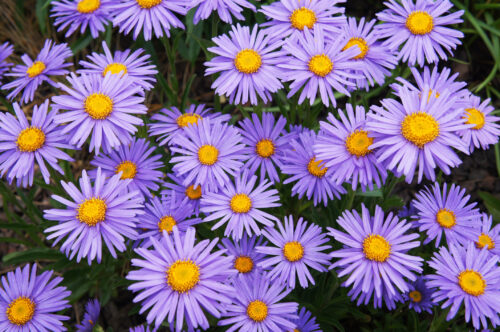
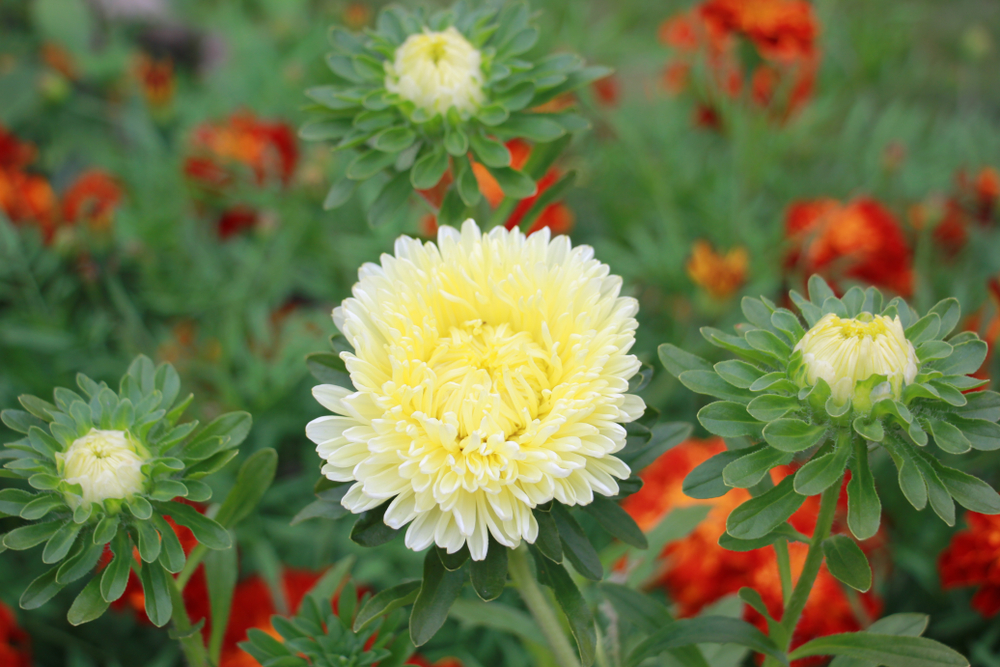
Fall asters keep the party going well into November, making them an incredibly valuable late-season food source for bees. These perennials produce hundreds of tiny, star-shaped flowers that end the gardening year on a colorful high note. In the center of almost every aster variety, you’ll find golden-yellow tubes surrounded by petals in shades of white, pink, red, or violet. The flowers sit atop slightly fuzzy stems, either solo or in cheerful clusters.
++Mint (Mentha)
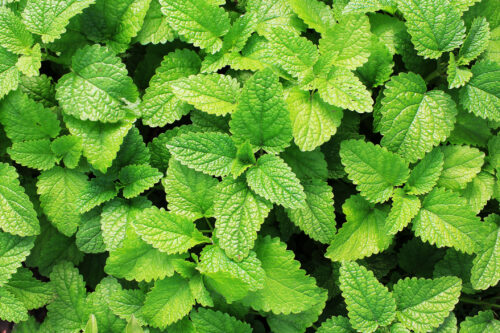
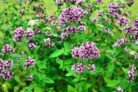
Mint is a garden staple for a reason—it’s super easy to grow and thrives just about anywhere. From June through September, different varieties produce white or pale pink tubular flowers that are a major hit with bees thanks to their high nectar content. This bushy herb can reach up to three feet tall, and its serrated leaves give off that classic, refreshing scent we all love for tea and cooking.
++Stonecrop / Sedum (Sedum telephium)
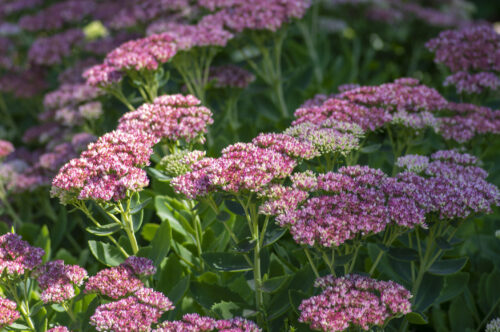
Don’t let the name “Stonecrop” fool you—these plants are anything but boring. In the fall, they become a favorite hangout for bees and butterflies. Their thick, succulent, blue-gray leaves act as water reservoirs, helping this low-maintenance plant breeze through dry spells. When the large flower heads open in late summer in shades of white, pink, or deep red, they become a real showstopper. Pro tip: Don’t cut them back in the winter! The dried flower heads look stunning when covered in a layer of frost.
++Pot Marigold (Calendula officinalis)
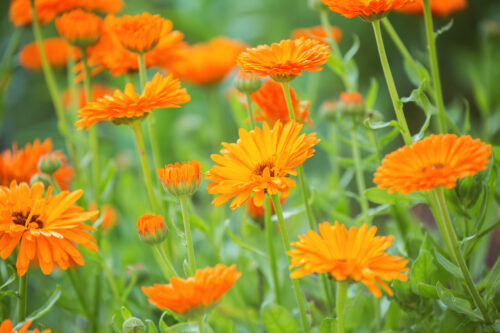
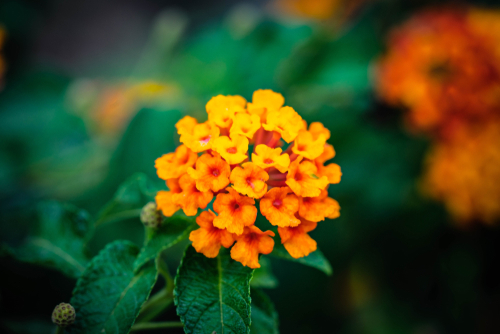
Calendula is a cheerful summer flower that brightens up any bed with its radiant yellow, orange, or light red blooms. These plants are tireless bloomers, pushing out flowers right up until the first frost. Because they are so rich in nectar, they are a top choice for honeybees and bumblebees alike. Calendula fits perfectly in cottage gardens or as a “filler” in your veggie patch. Plus, they self-seed easily with their little crescent-shaped seeds, so they’ll likely be back next year!
++English Ivy (Hedera helix)
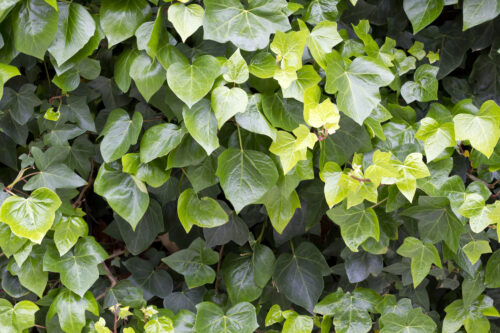
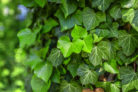
English Ivy is a master climber, using its aerial roots to scale walls and fences up to 90 feet high. While we usually think of it for its pretty evergreen leaves, ivy actually takes about eight to ten years to start flowering. When it does, it produces inconspicuous yellow-green flower clusters from September to December. It’s one of the most important late-season nectar sources out there—you can literally hear the plant “humming” with activity in the fall!
++Nasturtium (Tropaeolum majus)
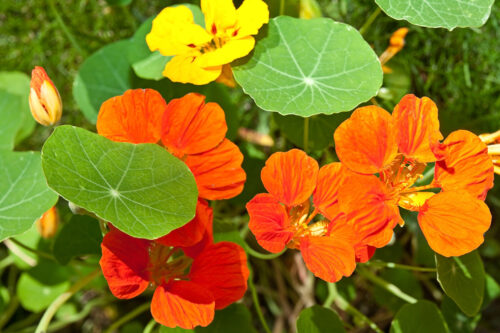
This versatile plant is a double threat: it’s beautiful and useful. The bright yellow, orange, and red trumpet-shaped flowers bloom through October, providing food when other sources have dried up. You can often spot bees that have visited nasturtiums by the thick, dark yellow “pollen pants” on their legs. Best of all, the flowers and leaves are edible! They have a peppery, zesty kick and are packed with healthy antioxidants.
++Thyme (Thymus vulgaris)
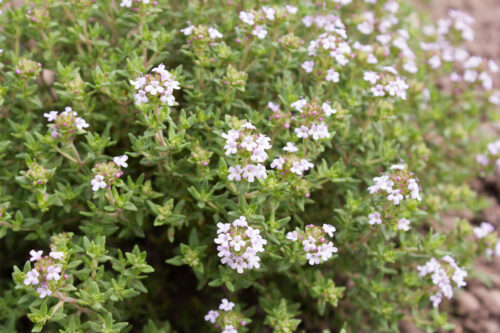
Common Thyme forms aromatic, low-growing cushions that smell amazing. This herb blooms well into the fall, attracting wild bees, honeybees, and butterflies with its nectar-rich flowers. While it’s a must-have for Mediterranean cooking, don’t stop at the leaves—the flowers are also edible and make a beautiful, delicate garnish for salads.
%%Lacy Phacelia (Phacelia tanacetifolia)
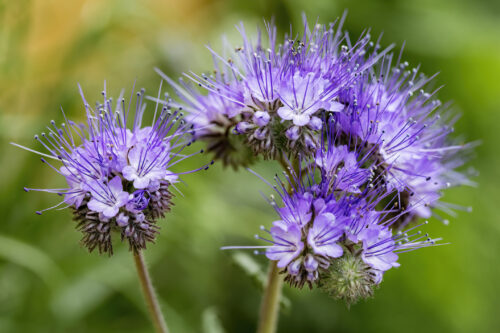
In many places, this plant is literally called the “Bee’s Friend,” and for good reason! Bees, bumblebees, and butterflies absolutely adore its unique violet-blue blossoms. Phacelia is an annual that blooms into November, offering a vital lifeline for insects when almost nothing else is in flower. As an added bonus, Phacelia is a fantastic green manure (cover crop) that improves your soil health between growing seasons.