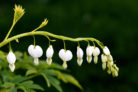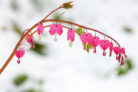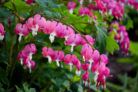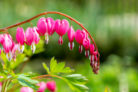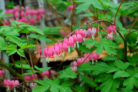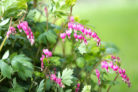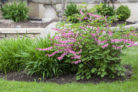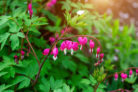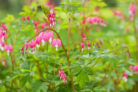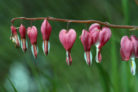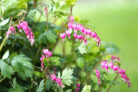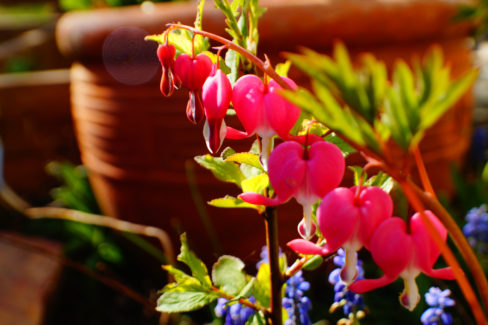
Those charming heart-shaped blooms are a staple in backyard gardens, but here’s a pro tip: you don’t need a huge yard to enjoy them! Even if you only have a small patio or a balcony, you can totally grow Bleeding Hearts. You just have to give them the right environment to help them really thrive.
Growing in Containers
Originally from the airy woodlands of China and Korea, Bleeding Hearts aren’t exactly “natural” fans of being cramped in a pot. However, with a little bit of coaxing and the right setup, they’ll settle into container life just fine.
Picking the Right Pot
Bleeding Hearts develop pretty vigorous root systems, so you’ll want a container large enough for them to spread out comfortably. The material matters, too! I usually steer clear of plastic pots for these guys because they trap moisture; if it rains a lot or you get a little heavy-handed with the watering can, you’ll end up with root rot. A terracotta or clay pot is a much better choice. These materials “breathe,” allowing moisture to evaporate and keeping the soil nice and cool.
Location and Soil
Your potted Bleeding Heart will be happiest in dappled shade. A little morning or late afternoon sun is fine, but they definitely want a break from the midday heat. A cozy spot near a wall or tucked behind some taller perennials is perfect—it gives them the shade they crave and protects their delicate stems from the wind.
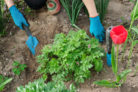
When it comes to soil, go for a loose, humus-rich substrate that’s low in lime. I like to mix in some compost or horn meal to give it a nutritional boost. And don’t forget: always place some broken pottery shards over the drainage hole before planting to ensure water can flow out freely.
Care and Maintenance
Once they’re settled, Bleeding Hearts are pretty low-maintenance. Since they’re woodland plants at heart, they love consistently moist soil. Water them in small, frequent amounts rather than one big soak, and give them a liquid fertilizer every three to four weeks.
If you deadhead the faded flowers, you can often encourage the plant to keep blooming a bit longer. Just leave the leaves alone! When the foliage starts turning yellow, don’t panic—that’s just the plant’s way of saying it’s ready for a nap. It’s retreating into the soil for its winter dormancy.
Wintering Over
With the right protection, your Bleeding Heart can actually stay outside in its pot all winter. Here’s how to prep it for the cold:
- Move the pot close to the house for warmth.
- Place the container on a piece of Styrofoam or wood to insulate it from the frozen ground.
- Wrap the pot in bubble wrap or a burlap sack.
- Cover the top of the soil with some evergreen branches.
- Alternatively, you can move the pot to a cool, bright, but frost-free spot like an unheated sunroom or greenhouse.