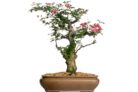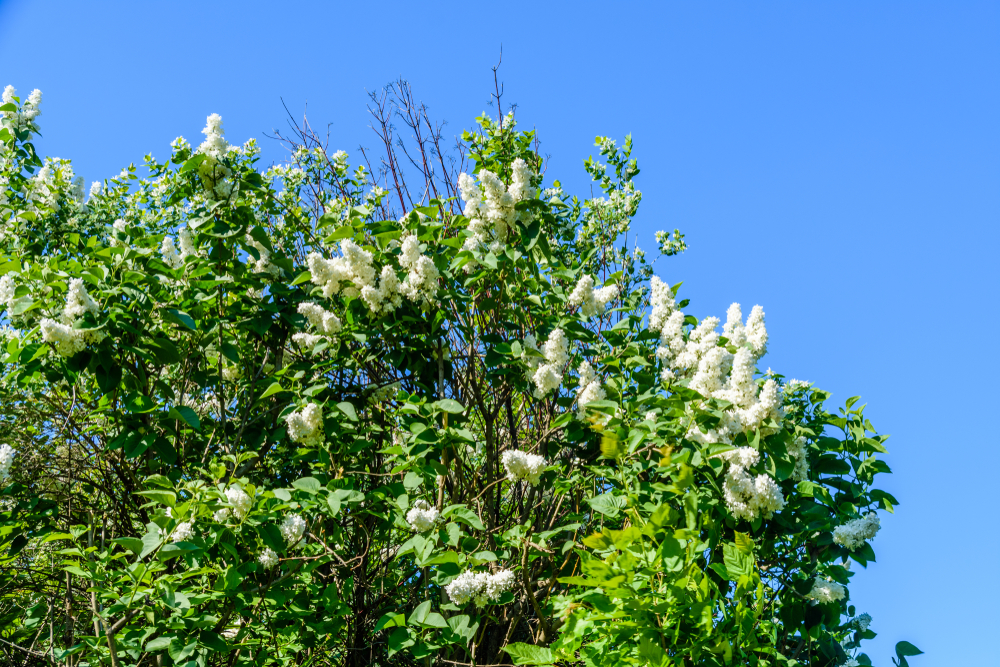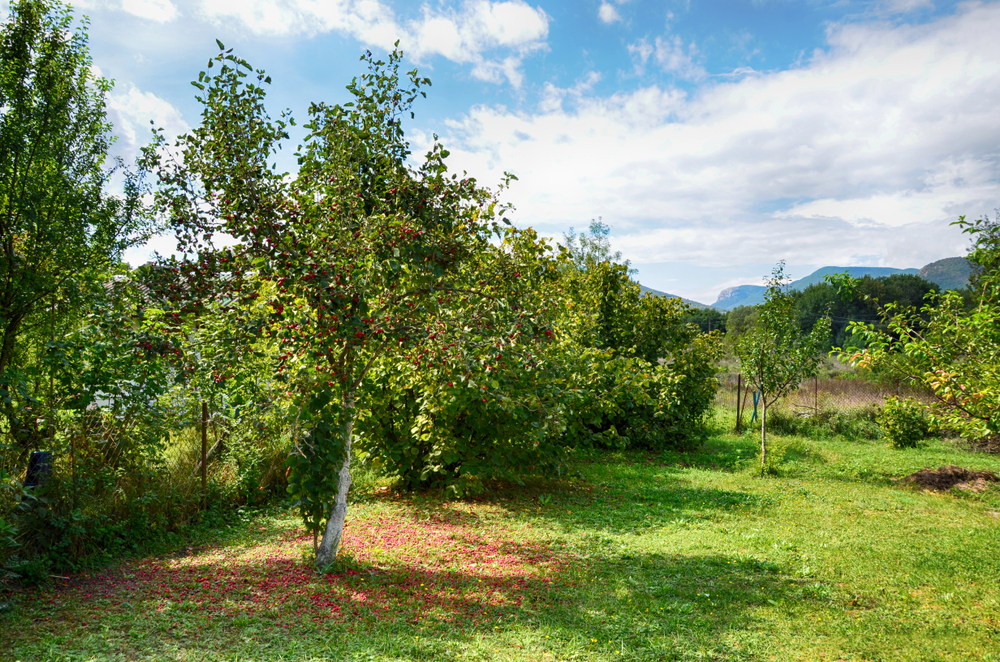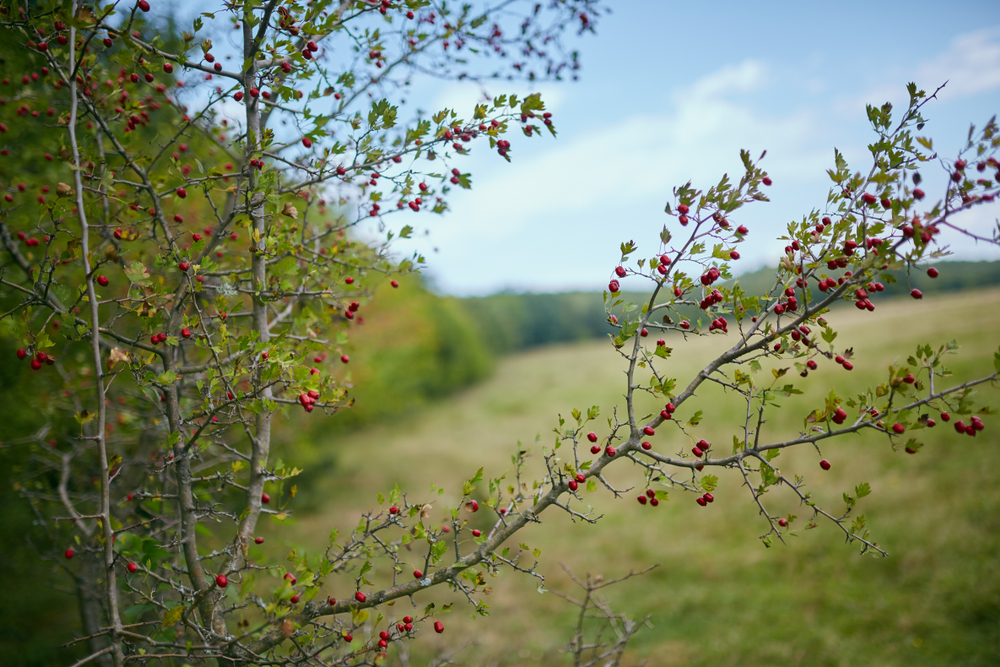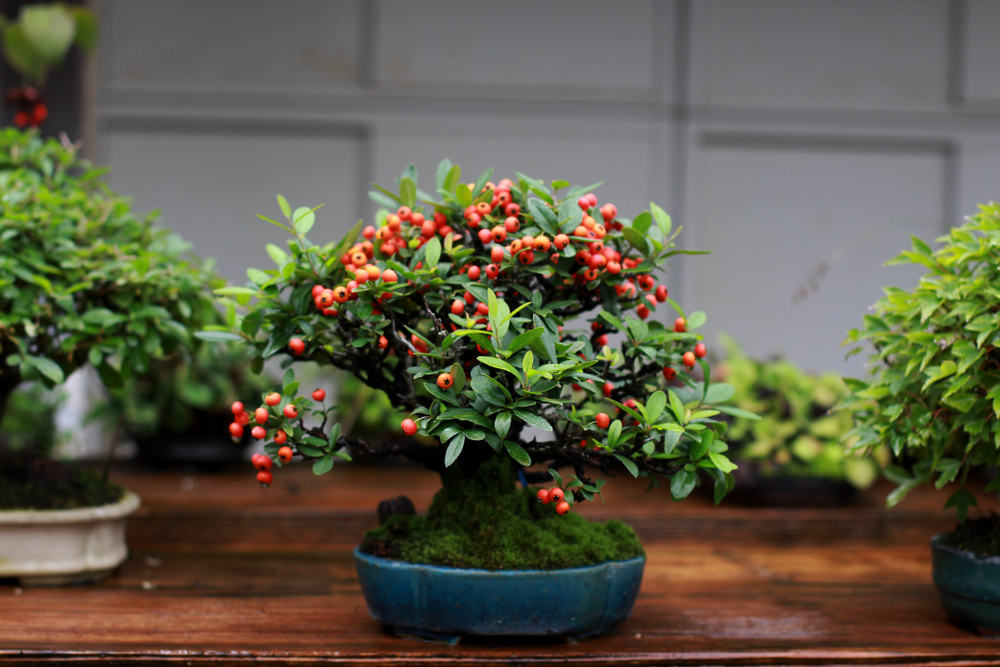
Hawthorn is a huge favorite for bonsai enthusiasts here in the States, and it’s easy to see why. This tree is a total overachiever—it’s got gorgeous foliage, stunning spring blooms, and colorful berries that keep it looking sharp all year round.
Why Hawthorn Makes a Great Bonsai
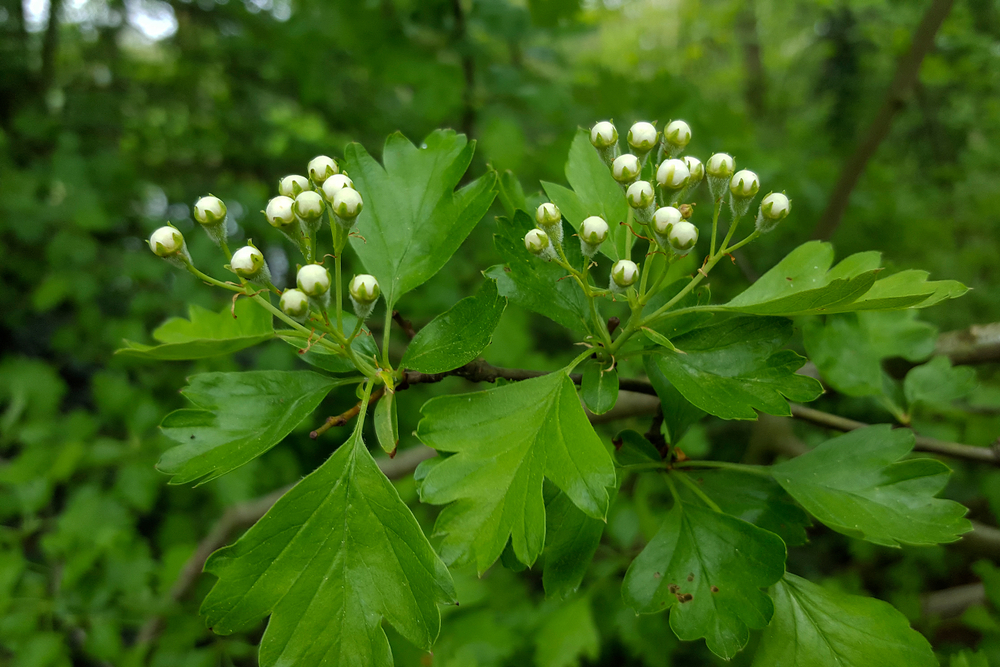
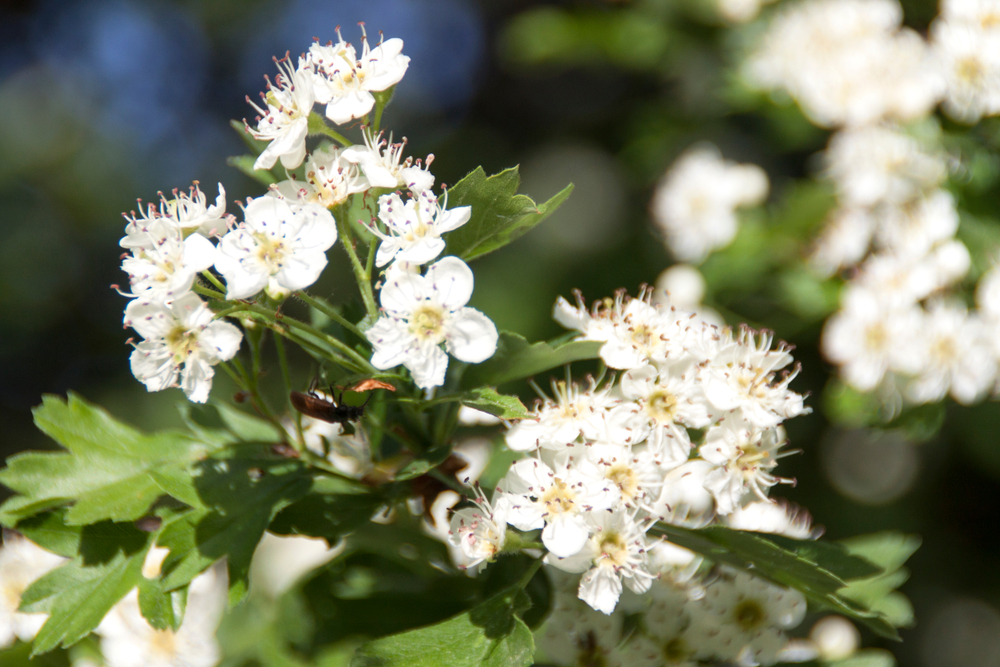
Hawthorn has a lot going for it if you’re looking to create a miniature masterpiece. For starters, it naturally grows as a shrub or bushy tree, which means it takes a little patience to develop a thick, rugged trunk—but the payoff is worth it. It sports naturally small leaves, delicate white flowers, and bright red berries. Plus, it develops fine ramification (that’s bonsai-speak for those cool, intricate twig patterns) and a beautiful, craggy bark that looks better and better as the tree ages.
Even when it’s not in bloom, the leaf shape alone makes it a standout on any bonsai bench. Most folks stick with *Crataegus monogyna* (Common Hawthorn) or the Japanese variety *Crataegus cuneata*. They look almost identical until they bloom—the Japanese variety surprises you with vibrant red flowers instead of the classic white. You can dive deeper into the details of Hawthorn blossoms right here.
The bonsai community loves Hawthorn because it’s tough and resilient. If you get your pruning down right, these trees can grow surprisingly fast, helping you establish a solid structure with strong branches and a powerful base. Best of all? You can style them into almost any traditional Japanese bonsai shape.
Tips for Styling Your Hawthorn Bonsai
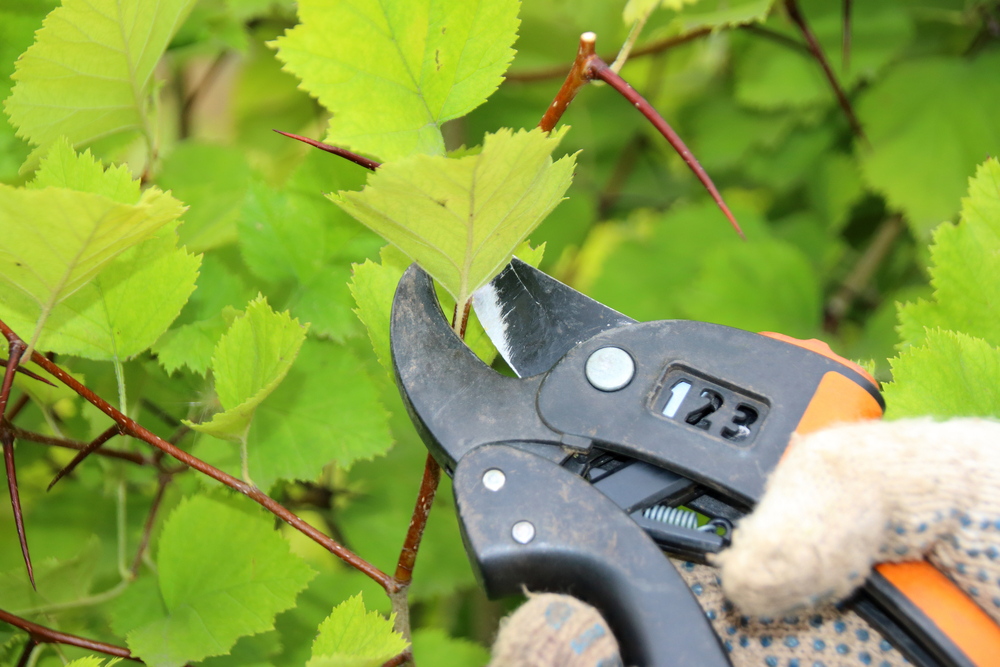
A quick heads-up: watch out for those thorns! Working on a larger “pre-bonsai” specimen can be a bit of a literal pain if you aren’t careful. Generally, you’ll want to do your structural pruning between spring and late July. If you’re just starting out, these styles work beautifully with Hawthorn:
- Semi-cascade
- Root-over-rock
- Saikai (miniature landscapes)
You won’t often see Hawthorn in a formal upright or broom style—it just doesn’t suit the tree’s natural vibe. Also, a word of caution if you’re thinking about “yamadori” (collecting a tree from the wild): Hawthorns can be finicky about being moved. It takes a gentle touch and some experience, as they don’t always survive the transition. You can find more tips on planting Hawthorn here. Just remember, if you’re keeping yours outdoors year-round, make sure the specific variety is hardy for your local climate. You can use wiring to gently guide the branches into the perfect position.
Bonsai is an art form you learn by doing, but you can definitely flatten the learning curve with good books, YouTube tutorials, or a local workshop. Don’t feel pressured to create a masterpiece with your first clip. Just start pruning and see where the tree takes you! It’s the best way to get a feel for how the wood responds and to find your own rhythm with the shears.