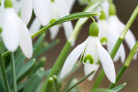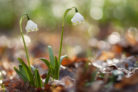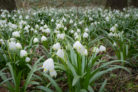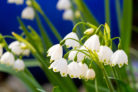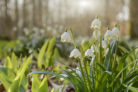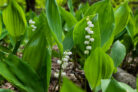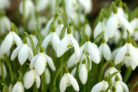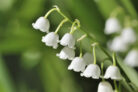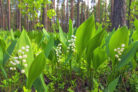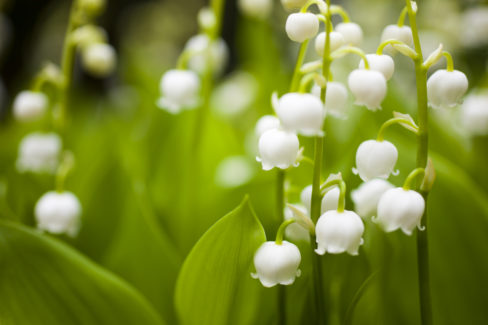
If you’ve ever spotted a Spring Snowflake (Märzenbecher) in the wild, you might have done a double-take. At first glance, they look a whole lot like Lily of the Valley. It’s a super common question among hobby gardeners: are these two actually related? The short answer is no, but let’s dive into the details so you can tell them apart like a pro.
Different Families, Different Roots
Even though they share that delicate, bell-shaped look, these plants come from totally different botanical families. The Spring Snowflake is part of the Amaryllis family (Amaryllidaceae), while the Lily of the Valley belongs to the Asparagus family (formerly categorized under Liliaceae).
They also grow differently underground. Lily of the Valley spreads through a system of horizontal rhizomes, while the Spring Snowflake is a classic bulb plant. If you’re out for a hike in a deciduous forest, you might see both, but the Spring Snowflake really loves extra damp, moist soil.
The Names Give Away the Timing
If you guessed that their names hint at when they bloom, you’re spot on! In the wild, these two rarely actually cross paths. As the name suggests, the Spring Snowflake blooms in March (or even late February), whereas Lily of the Valley waits for the warmer days of May.
How to Spot the Difference in the Flowers
- Flower Count: A Spring Snowflake usually has only 1 or 2 bells per stem. Lily of the Valley is much more “crowded,” with 5 to 7 little bells hanging in a row.
- The Details: Look closely at the tips! Spring Snowflake petals have a distinct lime-green or yellowish dot at the end. Lily of the Valley bells are pure, solid white.
- The Berries: On the rare occasion they go to seed, Spring Snowflakes produce whitish berries, while Lily of the Valley produces bright red ones.
Both are Toxic – Watch Out for Wild Garlic!
One thing these two definitely have in common? They are both highly poisonous. This is where you need to be really careful: Lily of the Valley leaves look incredibly similar to Wild Garlic (Ramps). Similarly, the Spring Snowflake can sometimes be mistaken for “Few-flowered Garlic.” If you’re out foraging for your kitchen, be 100% sure of what you’re picking—when in doubt, leave it be!
Leaf Shape
- Spring Snowflake: The leaves are long, narrow, and strap-like.
- Lily of the Valley: These leaves are much broader and more oval-shaped.
- Color: Both plants sport a similar deep, dark green foliage.
Look, Don’t Touch: They’re Protected!
If you’re lucky enough to find Spring Snowflakes, Lily of the Valley, or even Snowdrops while you’re out exploring, remember to keep your hands off. All of these spring beauties are protected by conservation laws. Enjoy their beauty, snap a photo, but leave them in the ground for everyone else to enjoy!