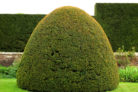
Yews are famous for being low-maintenance and tough as nails. Because they’re so hardy, these beautiful evergreens rarely run into serious health issues. However, even the toughest plants have their bad days! Here’s a quick guide on how to spot potential problems, what might be causing them, and how to get your yew back to its vibrant self.
How to Spot Trouble
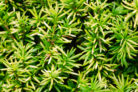
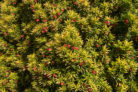
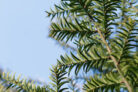
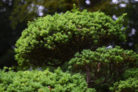
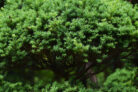
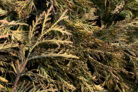
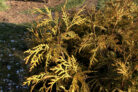
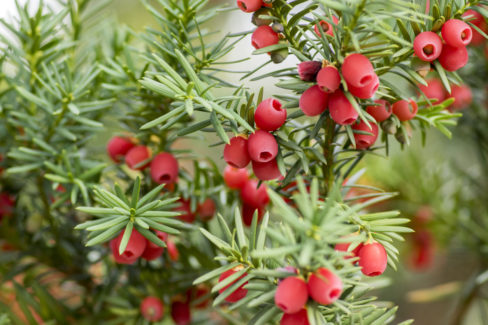
The best way to check on your yew’s health is to take a close look at the needles. If they’re that classic, deep green, your tree is likely happy and healthy. But if you notice the needles turning funky colors, drying out, or dropping off, that’s a red flag. Often, it’s just a “location, location, location” issue—like getting scorched by too much direct afternoon sun. But sometimes, you might be dealing with a genuine disease or pest.
Common culprits include:
- Root rot
- Fungal infections
- Pest infestations
Root rot is almost always a drainage issue. It happens when the soil stays soggy for too long, essentially drowning the roots. If you suspect this, dig down a bit and check the soil moisture. You can fix this by cutting back on watering or adding a drainage layer (like gravel or sand) to help the water move through.
Dealing with Fungi
A fungal infection is usually a sign that the tree is already a bit stressed; a perfectly healthy yew can usually fend these off. If you spot spores or fuzzy growth on the needles, you’ve got to move fast. If a fungus spreads too far, it can unfortunately be game over for the tree.
Safety first: grab some gloves and a sharp pair of pruning shears. Cut away any infected branches, making sure to cut back into the healthy wood to ensure you’ve removed every bit of the fungus. When you’re done, bag up the clippings and put them in the trash—don’t compost them, or you might spread the spores elsewhere in your garden!
Identifying and Treating Pests
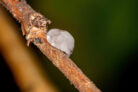
Every now and then, scale insects might decide to move in. These guys are tiny and super hard to see with the naked eye, but they leave behind a sticky residue that ants absolutely love. If you see “ant highways” running up and down your yew, you probably have a scale problem. The good news? You don’t need harsh chemicals. Introducing natural predators like parasitic wasps is a fantastic, eco-friendly way to wipe out these pests without harming the rest of your backyard ecosystem.