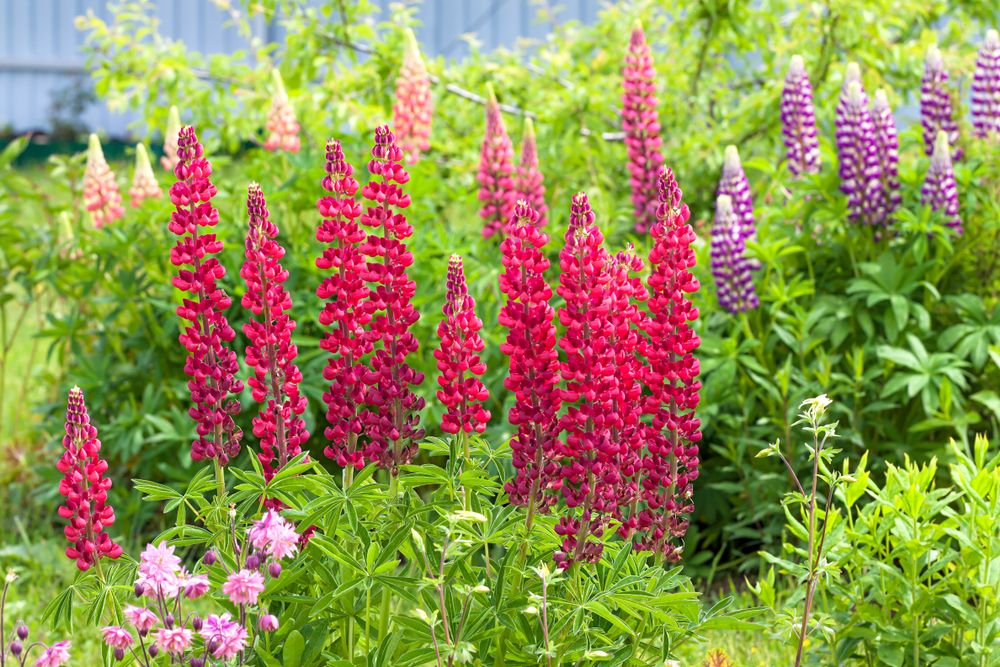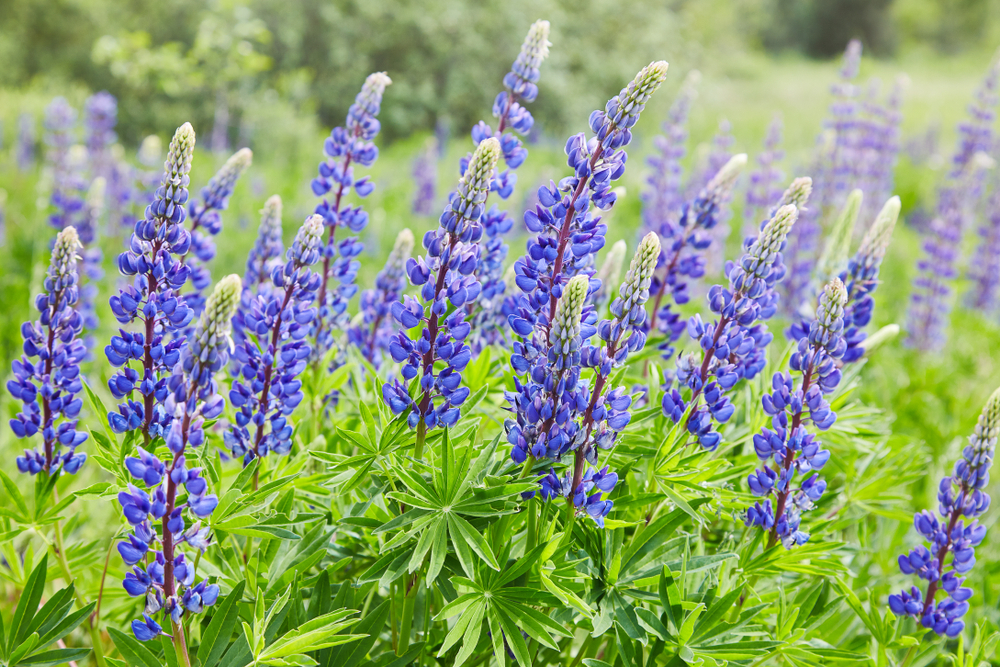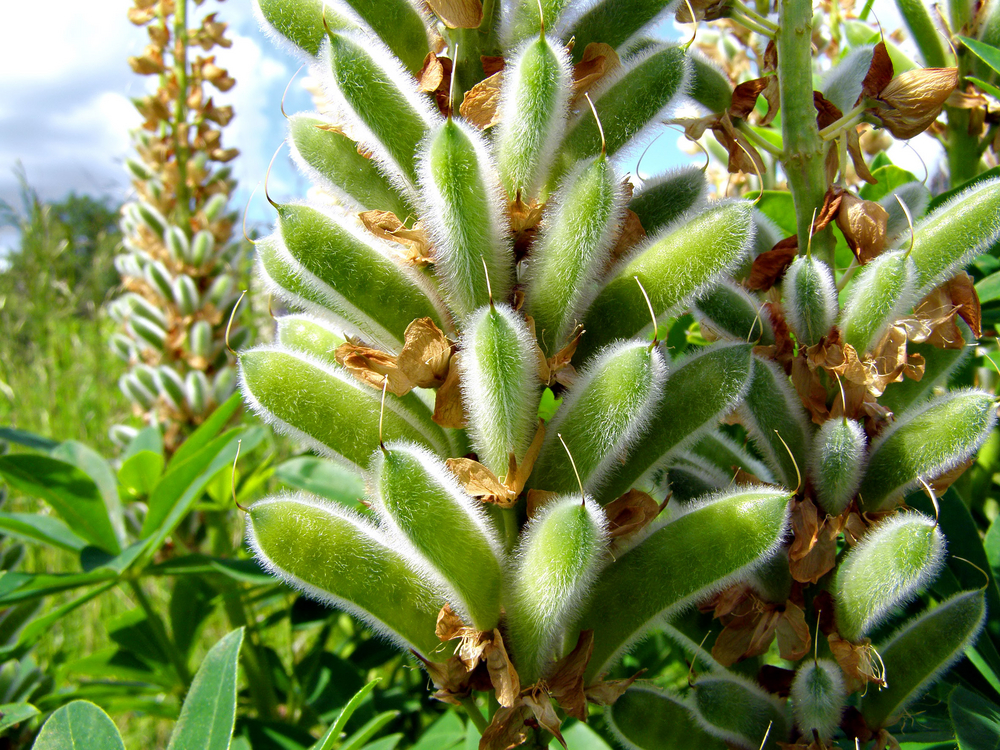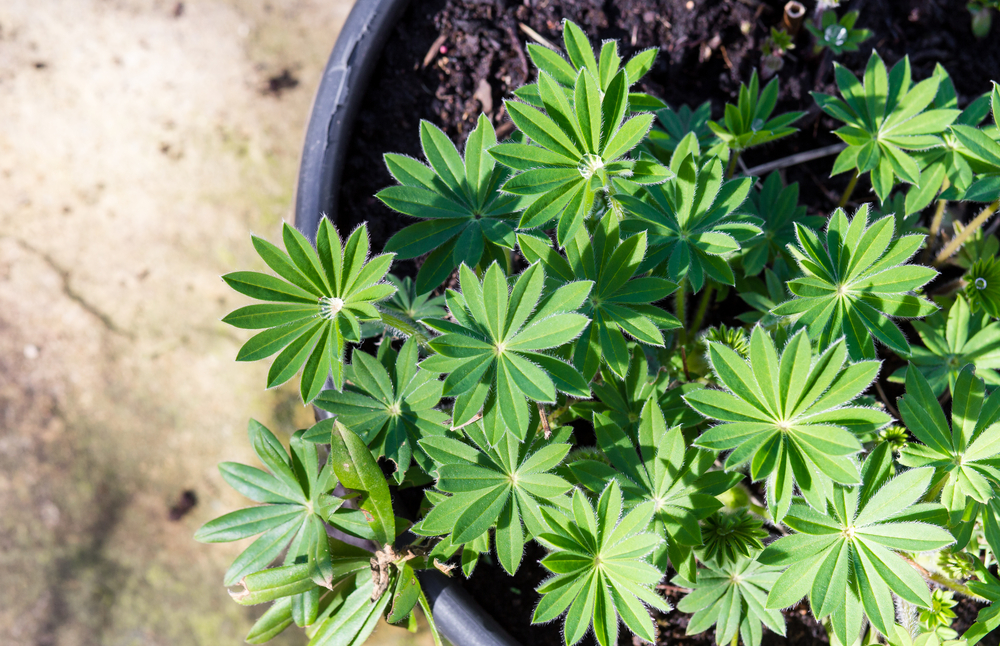
Besides their stunning spikes of color, the best thing about lupines is how incredibly low-maintenance they are. These perennials usually thrive even if you aren’t exactly a “pro” gardener. This “set it and forget it” vibe applies to both summer and winter—at least if your lupines are planted directly in your garden beds.
When should you water lupines?
Generally speaking, you don’t really need to water established lupines. It’s only crucial to keep the soil consistently moist right after you first plant them. Once they’ve settled in, lupines develop a deep taproot system that reaches way down into the earth to find moisture. This deep root system keeps them hydrated even during freezing winter temperatures. You’ll only need to grab the watering can during exceptionally long droughts when the groundwater levels start to drop.
Should you fertilize your lupines?
Good news: you can skip the fertilizer! Lupines grow perfectly fine even in nutrient-poor soil. In fact, they are often used specifically as green manure to improve soil quality. Planting them is a win-win for your garden for a few reasons. First, those long roots break through tough, compacted soil layers, naturally aerating the ground. Second, special bacteria gather along the roots over time, capturing nitrogen from the air. This nitrogen helps the lupine grow first, but eventually, it enriches the surrounding soil too. If you till the plants back into the earth after they’ve finished blooming, you’re adding even more organic nutrients back into your garden.
Do lupines need to be pruned?
Unlike many other hardy perennials, you don’t need to cut lupines back before the cold weather hits. As the season ends in late autumn, the outer parts of the plant will naturally wither and recede on their own. The only “haircut” you should worry about is deadheading. Between May and August, make sure to regularly snip off the faded flower spikes. This encourages the plant to produce a second flush of blooms in the fall.
Do lupines need special winter care?
As mentioned, if your lupines are in the garden, you don’t need to prune them in the fall or take any special protective measures. They are tough cookies! However, it’s a different story if you’re growing lupines in pots on your patio. Potted plants can’t develop that deep, protective root system. To keep them from drying out or freezing, you should protect the pot from extreme cold. Try placing a piece of styrofoam under the pot and wrapping the container in bubble wrap or garden fleece.
To keep your lupines happy, just remember these two main tips:
- Deadhead faded flowers during the season to encourage more blooms.
- Give potted lupines some extra insulation during the winter.